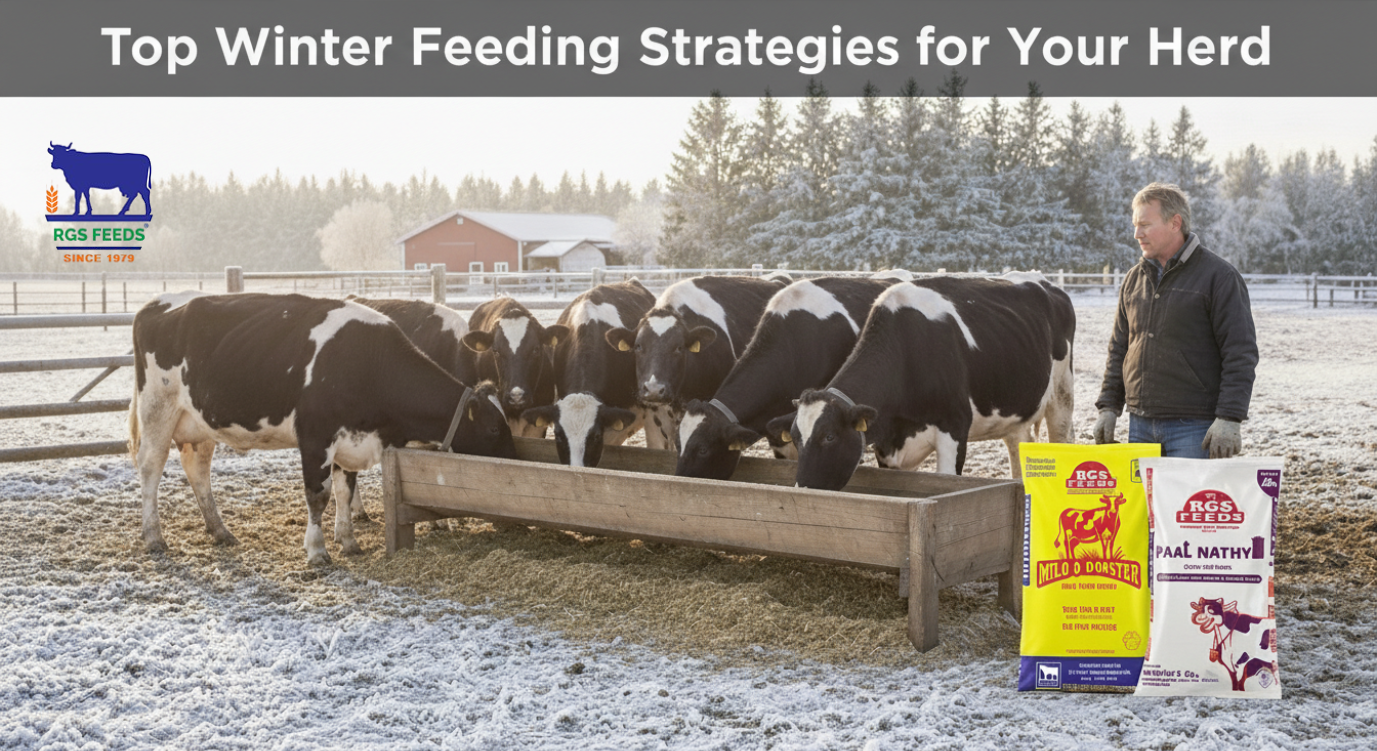
Top Winter Feeding Strategies for Your Herd
Introduction
The winter season is the most challenging one in terms of feeding cattle and the general performance of the herd. For livestock farmers, selecting the right cattle feed partner becomes equally as crucial as deciding on the right feeding strategy. RGS Feeds, a well-known name in quality cattle feed manufacturing, offers farmers support through nutritionally balanced feed solutions that are specifically designed to meet the tough winter conditions.
Various factors such as cold stress, decreased quality of forage, frozen water sources, and increased energy requirements make feeding cattle in winter a very important management issue. Animals can very rapidly lose body condition, immunity, and productivity if the correct feeding strategy and continuous line of good-quality feed are not available. This book is about reliable winter feeding methods that will help you in selecting the right feed for cattle in the winter and managing to keep the herd performance at a high level even when the weather is very harsh.
Why Winter Nutrition Matters for Cattle
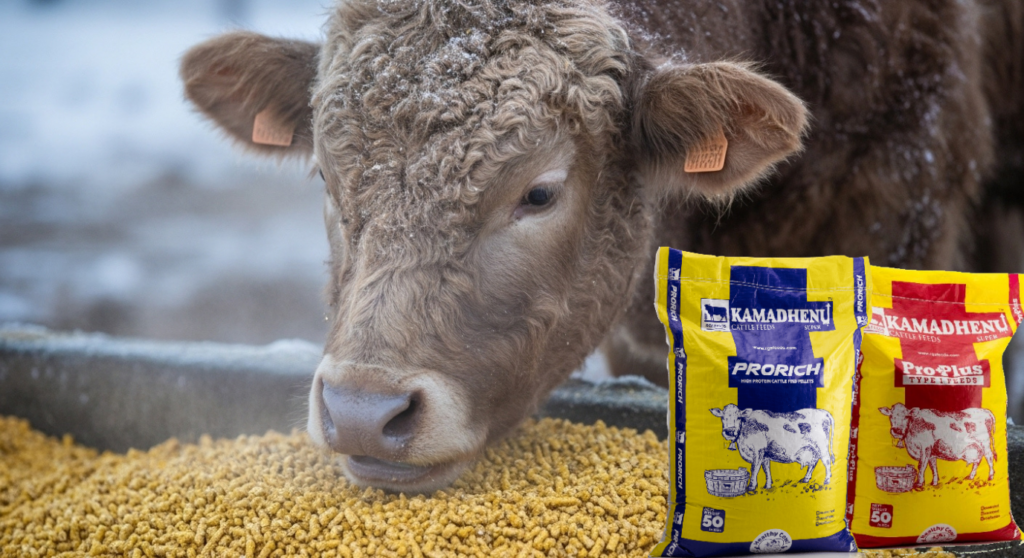
Cold weather conditions drastically raise the amount of energy a cow needs to maintain its body. Cattle use up more calories simply to generate heat; thus, if the winter feeding is not good, the animal will soon lose weight, produce less milk, have less ability to reproduce, and will have a weaker immune system. Proper cattle feeding in winter is all about giving enough energy, protein, minerals, and vitamins to cover these increased needs. A good winter ration not only keeps the animals’ body condition at a good level but also equips them to fight diseases and be more productive overall; hence, feeding cattle in winter is a very critical decision.
Understanding Energy Requirements During Winter
When the weather gets cold, cattle have to burn more calories just to keep themselves warm. The cold wind, the rain, and the lack of a good shelter only make the animals lose even more heat to the environment. Therefore, energy-rich diets are a must when choosing the best cattle feeds for winter. Grains, molasses-based feeds, and specially formulated winter rations can help satisfy these increased energy requirements.
By adding energy supplements, the cattle’s body condition will not deteriorate, and the production of milk and meat will be sustained. Proper energy management is the cornerstone of any successful winter cattle feeding program.
Choosing the Best Feed for Cattle in Winter
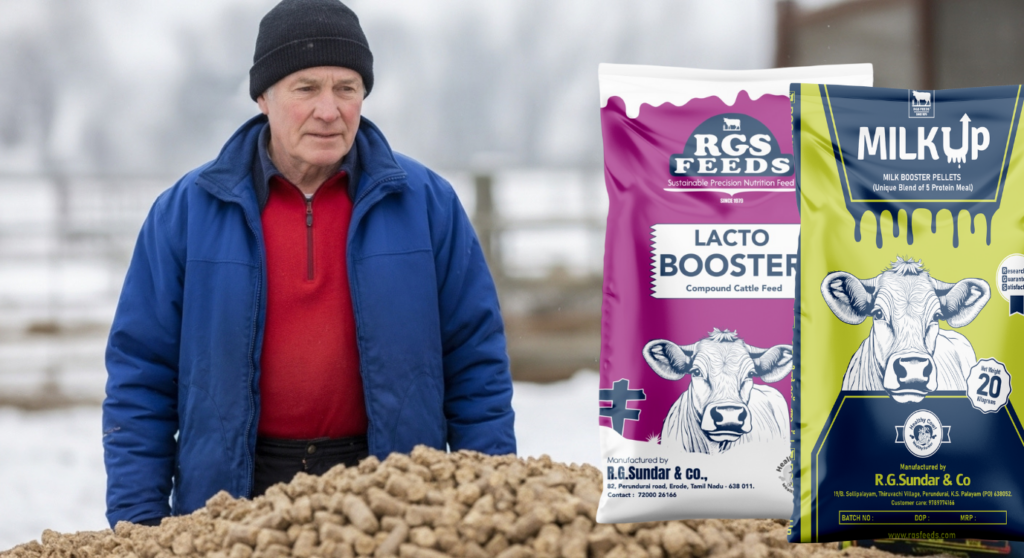
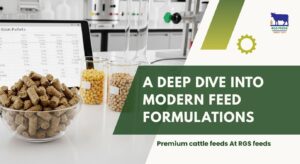
Winter diets typically depend mostly on roughage like hay or silage, but dry grass of poor quality on its own hardly ever meets the needs. The value in nutrients gets lowered due to the unacceptability of the feed, and this limits both the intake and performance of the animal. Mixing roughage with concentrates is a great way to provide the animals with balanced nutrition and a consistent energy supply. A top-notch, nutritionally balanced cattle feed from a well-known cattle feed manufacturer contains ideal levels of protein, energy, and minerals.
Working together with a reliable cattle feed supplier guarantees the constant supply of high-quality cattle feed, which is very helpful in keeping the herd in good performance during the cold season, especially in winter.
Feeding Cows in Winter: Practical Feeding Strategies
Successful feeding of cows in winter needs proper timing, intake, and feed management. Giving them feed when the temperature is highest during the day will help them eat more, and less feed will be wasted. Tasty rations to the animal lead to a higher dry matter intake, which is very important during cold stress. Keeping the feed covered to protect it from snow, rain, and mud helps keep losses and changes in quality to a minimum. Dairy cows are likely to require more energy and protein than beef cattle; therefore, feed formulation is an important aspect of feeding cattle properly in winter.
Role of Cattle Supplements for Winter Health
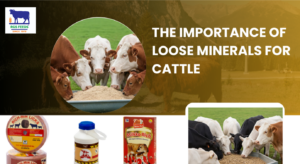
Mineral and vitamin deficiencies are likely more common in the winter due to animals being less able to graze on their own and the forage quality being normally low. Essential nutrients perform various functions in the body, such as maintaining the immune system, bones, and reproductive system in a healthy state.
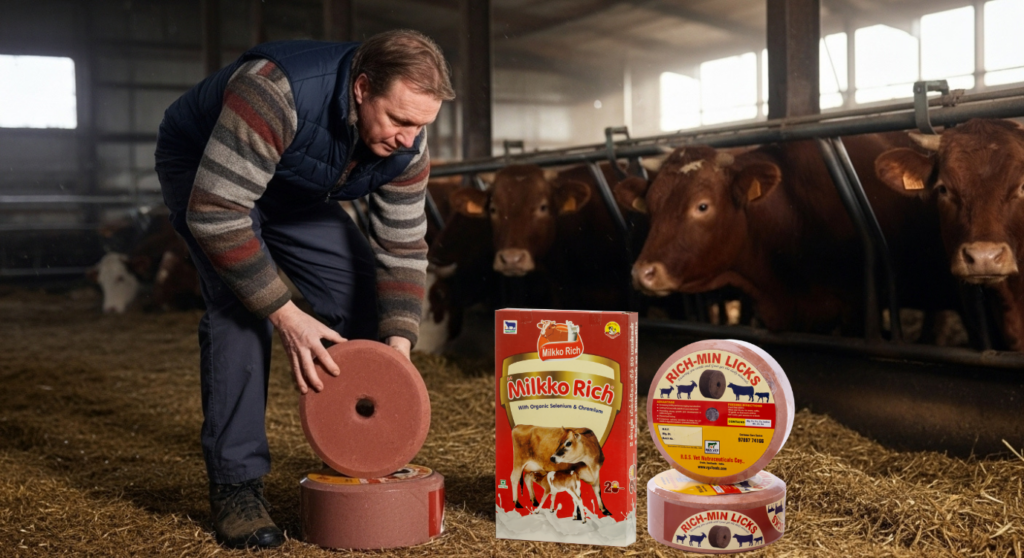
Giving mineral mixes, lick blocks, and compound feeds as winter minerals to the cattle can help in keeping nutrition balanced. Besides mineral supplements helping in digestion, they also increase the feed intake and fortify the overall nutrition of the cattle in winter, particularly when they are exposed to cold stress.
Managing Water Intake and Feed Efficiency
Water intake is usually lower in winter because of cold weather and frozen water points, which directly influences intake of feed and digestion among animals. Cattle must have free access to clean and unfrozen water all the time if they are to have the highest possible feed efficiency. Water sources that are warm or well insulated stimulate the animal to take in water, and thus nutrient breakdown is enhanced.
Cattle that are well hydrated feed better, and thus, they can utilize the winter feed far more efficiently, which results in less feed wastage and enhanced performance.
Partnering with a Reliable Cattle Feed Manufacturer
Choosing the right cattle feed and supplement manufacturer is an integral part of successful winter feeding programs. RGS Feeds is committed to making high-quality,nutritionally balanced cattle feed that fulfills the increased energy and nutrient requirements of winter.A good cattle feed supplier guarantees you the same quality all the time, scientifically formulated rations, and an efficient supply of bulk right through the season.
Working with RGS Feeds, the farmers will be able to purchase the highest quality cattle feed, get professional nutritional advice, and have constant help from them in any matter, thereby improving cattle health, feed efficiency, and productivity in the long run.
Conclusion
Winter feeding requires careful organizing and planning of the feeding program, provision of energy-rich diets with adequate supplementation, and availability of stable feed sources. Farmers focusing on balanced cattle feeding, strategic cattle feeding, and good cattle feeding practices in winter can ensure the health of the herd and maintain productivity. RGS Feeds Edible Oils and Fats is a trustworthy cattle feed manufacturer that can provide you with a nutritionally balanced cattle feed solution that is tailor-made for the winter season and meets the requirements of modern livestock farming.
Get in touch with RGS Feeds now to obtain top-quality winter cattle feed products that will help keep your herd healthy, productive, and profitable throughout the season.
Frequently Asked Questions
1.What is the best feed for cattle in winter?
In general, the best feed for cattle in winter ought to be a combination of high-quality roughage and energy, supplemented with minerals that are well-balanced to meet the increased energy requirements of the animals due to the cold.
2. What is the best feed for beef cattle in the winter months?
The traditional method of winter feeding the producing cow has been feeding hay. Feeding hay is often the preferred method of winter feeding due to ease of handling and simplicity.
3. How does cold weather affect cattle nutrition?
Cattle exposed to cold weather have an increased requirement for maintenance energy; that is to say, they need to be given more calories if their body condition and production are to be maintained.
4. How can a cattle feed manufacturer help during winter?
An experienced cattle feed manufacturer like RGS Feeds can provide you with nutritionally balanced diets, dependable quality, and professional guidance on animal nutrition for winter feeding.
5. What is the cheapest way to fatten cattle?
Low-cost feeding does not mean compromising on nutrition. Cattle need a balanced diet that includes carbohydrates, proteins, minerals, and vitamins.
6. What are common winter nutrition problems in cattle?
Amongst the common problems, cattle may lose weight, suffer from mineral deficiencies, have a weakened immune system, produce less milk, and be inefficient in feed utilization.
7. Are energy supplements necessary for cattle in winter?
Energy supplements for cattle are usually necessary during winter to cover the increased energy needs due to cold stress.
8. How does water intake affect winter cattle feeding?
If animals drink less water, their feed consumption and digestion also decrease. Hence, it is very important to provide cattle with clean water that is not frozen.