Smart Nutrition: How to Manage Feed Costs Effectively
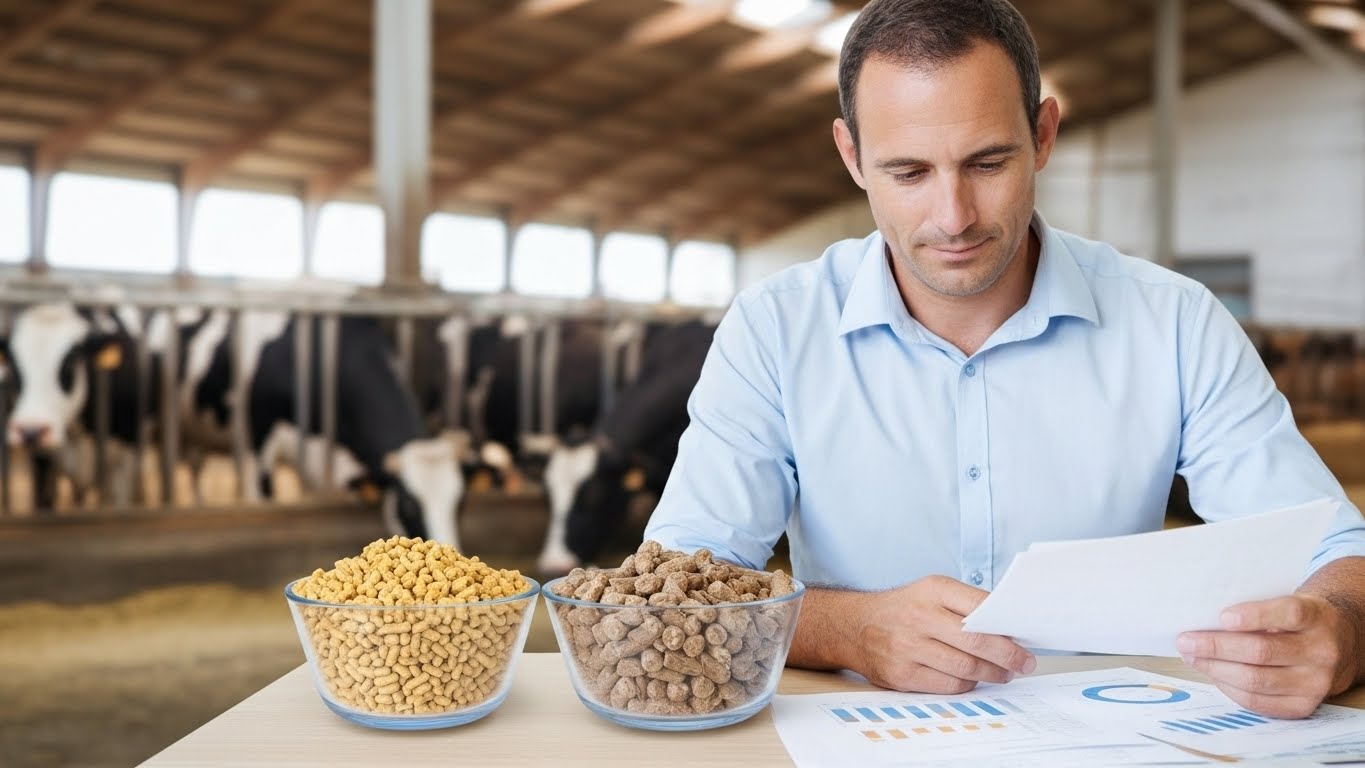
The way to manage feed expenses has been a major issue of concern to dairy farmers of late. The rise in prices and an increased demand for milk production have made it very vital to take the right kind of feed to maintain double profitability and excellent animal health. Smart nutrition is not only about cutting down the cost but also about providing the perfect nutrient combination, raising feed efficiency, and making it possible for cows to give the highest milk yield. This article will be helpful to dairy farmers in making smarter nutrition decisions, selecting the right cattle feed, and controlling their expenses without compromising milk quality.
Understanding Intelligent Nutrition for Dairy Cows
When a dairy cow receives a balanced and top-level diet that results in increased milk production, higher milk fat, and the overall excellent health of the animal, it is referred to as smart nutrition.
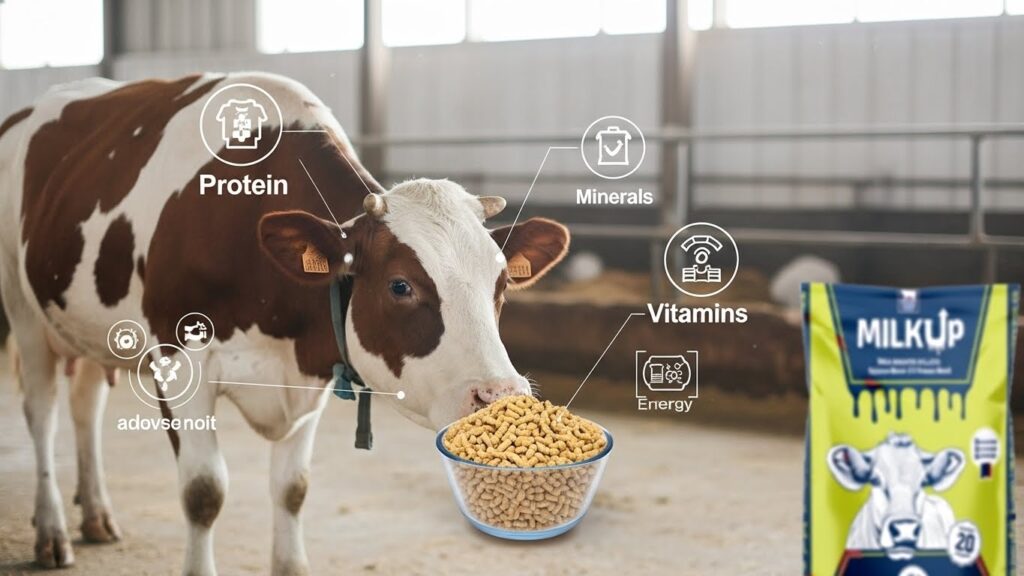
A nourishing feed should contain the correct proportion of protein, calories, fiber, minerals, and vitamins. This is very important since the main benefits that come very quickly are increased milk production, improved immunity, supporting lactation in cows during periods of high demand, less waste, and keeping small dairy farms profitable. Feeding cows the right diet will improve their digestion, increase productivity, and keep milk production stable throughout the year if the cows are at different stages of lactation.
Types of Cattle Feed for High Milk Production
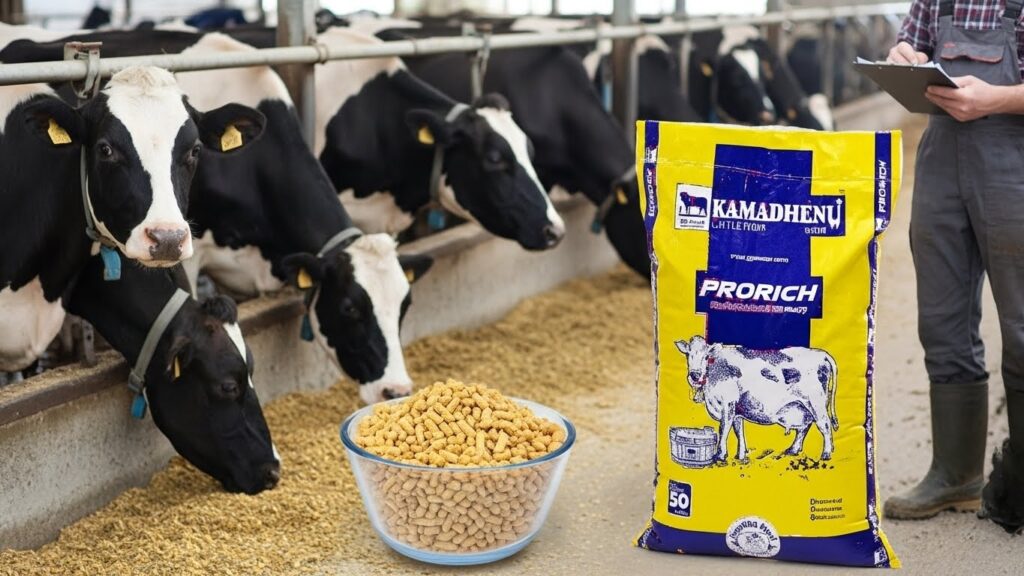
The right cattle feed is one of the most important factors in raising both milk output and fat percentage. Today there are numerous choices in feeding that a modern dairy farm can opt for.
High-Protein Feeds
Along with bodily repair, the production of milk requires high-protein diets. Items like an 18% protein cattle feed, a high-protein cattle feed for dairy cows, and a cattle feed with bypass protein are the best choices for the peak lactation phases. This condition is particularly good for bypass protein because it goes with the rumen without breaking and is absorbed in the gut, thus providing better nutritional support to fresh cows after calving.
Feeds High in Fiber and Energy
A cattle diet without energy and fiber is incomplete. Whereas a fiber-rich cattle feed will support the digestion process, and hence the problem of bloating will be less, maize-based cattle feed is considered to be a source of the best energy. By the use of specially prepared energy-boosting feed, fresh cows will be able to regain their strength after the period of calving and will be able to produce more milk in the first stages of lactation.
Specialized and Premium Feeds
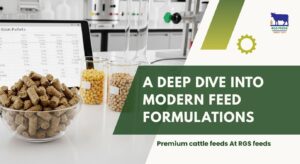
Some dairy farmers resort to premium feed types to extract more performance from their animals. Among the most popular selections are organic cattle feed for milking cows, non-GMO cattle feed, pellet cattle feed for dairy cows, and feeds that are specially created for the raising of the fat percentage. Pellet feed is the most notable because it eliminates wastage, allows for increased feed intake, and assures that the animal gets the same nutrition with every meal, which in turn leads to better production.
How to Lower and Control the Cost of Cattle Feed
Operating a dairy farm without feed costs costs about 60–70% of the total money spent. This indicates that the controlling of expenses is very crucial. Control feeding costs using ration balancing, and adding mineral mixture cattle feed to it will enhance nutrient absorption while reducing the need for additional supplements, which is the best method for most people. Pellet feed is another smart move that a farmer can make because it makes digestion easier and decreases the total feed consumption if the milk is of the same quantity. In addition, farmers can reduce their expenses by eliminating storage loss, utilizing locally accessible materials like maize-based feed, and feeding cows based on their lactation stage instead of employing a uniform approach.
Selecting the Best Provider of Cattle Feed
Since feed’s nutritional value varies, it’s vital to find a reliable source for your cow. The farmers should select which suppliers are the best to meet the needs of meat and dairy feed if they are constantly available, have a good reputation in the industry, offer lab-tested and certified feed, and have reasonable prices. In addition to this, the supplier’s technical support and guidance lead to better feeding management. Some of the best choices to take are the leading bovine feed manufacturers in India, dependable cattle feed distributors, and excellent companies producing the best feed for high milk production in Tamil Nadu. Farmers from Tamil Nadu mostly seek cattle feed distributors in Coimbatore, suppliers in Chennai, and manufacturers in Tamil Nadu. In addition to that, knowing the dairy cattle feed price in Tamil Nadu is equally important when you are choosing a long-term supplier. When a farmer is searching for a nearby feed store, he should consider the freshness, excellent packaging, and storage hygiene of the products on offer.
RGS Feeds: A Smart Choice for Dairy Farmers
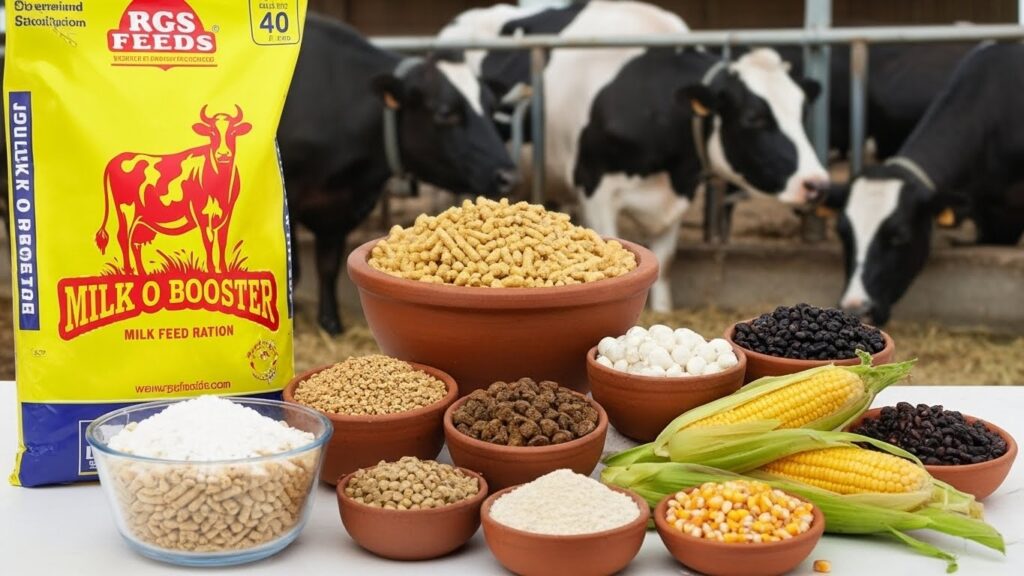
RGS Feeds is a prominent provider of affordable, high-quality bovine feeds designed to boost milk production and enhance overall animal health. Their product range is pellet feed, maize-based feed, mineral combinations, and 18% protein mixtures that are perfect for cows in different lactation phases. Customers of RGS Feeds are the reason why this company is favored with such excellent testimonies because the products are made with the help of top nutritional scientists, quality-tested in laboratories, and additionally supplied with the necessary minerals and bypass proteins that facilitate productivity increase.
These feeds will be economically friendly to both small and large dairy farm operations, as they will be instrumental in achieving higher levels of milk yield, fat percentage, and overall herd performance.
Tips to Boost Milk Yield While Controlling Costs
Enhancing milk production does not necessarily involve additional expenses. There are several simple yet effective ways to increase output without increasing feed costs. For instance, providing drinking water that is always clean, reducing heat stress, ensuring cow comfort, regularly supplementing cows with minerals, changing feed amounts according to the stage of lactation, and planning routine veterinary visits are some of these methods. The rise in milk volumes and the excellent health of animals are, in most cases, the outcomes of slight improvements in farm management.
Frequently Asked Questions (FAQ)
1. What type of feed would be most beneficial for my cattle to produce a lot of milk?
Foods high in protein and that facilitate maximum milk production, such as an 18% protein cattle feed, pellet feed, and bypass protein feed, should be the first choices.
2. How do I increase the fat content of milk?
Cows fed with diets rich in fiber and formulated with specific fat components will have milk fat levels that increase naturally.
3. What level of protein is considered most appropriate for dairy cows?
The majority of milk-producing cows should be fed a diet that contains 16–18 percent protein, but the specific requirement depends on their lactation stage.
4. Is pellet feed more effective than mash feed?
Yes. Pellet feed allows easier digestion, reduces wastage, and assures that nutrition is uninterrupted, which in turn leads to milk supply being elevated.
5. What are some ways small farms can cut feed costs?
Small dairy farms can save on expenses through the utilization of maize-based feed, by improving storage, and by feeding cows according to their lactation stages instead of giving all of them the same amount of grain.
Conclusion
Intelligent feeding is still the center of a money-making dairy farm. By making the right choices in terms of feed—i.e., well-balanced, high in protein, rich in minerals, and energy-efficient cattle feed—and choosing trustworthy suppliers like RGS Feeds, farmers can very well manage feed costs and at the same time increase milk production. When dairy cows are provided with the right diet at the right time, their productivity goes up, the fat percentage in milk gets better, and general herd health is maintained. This, in turn, leads to higher profits, and the sustainability of dairy farming in the future is secured.