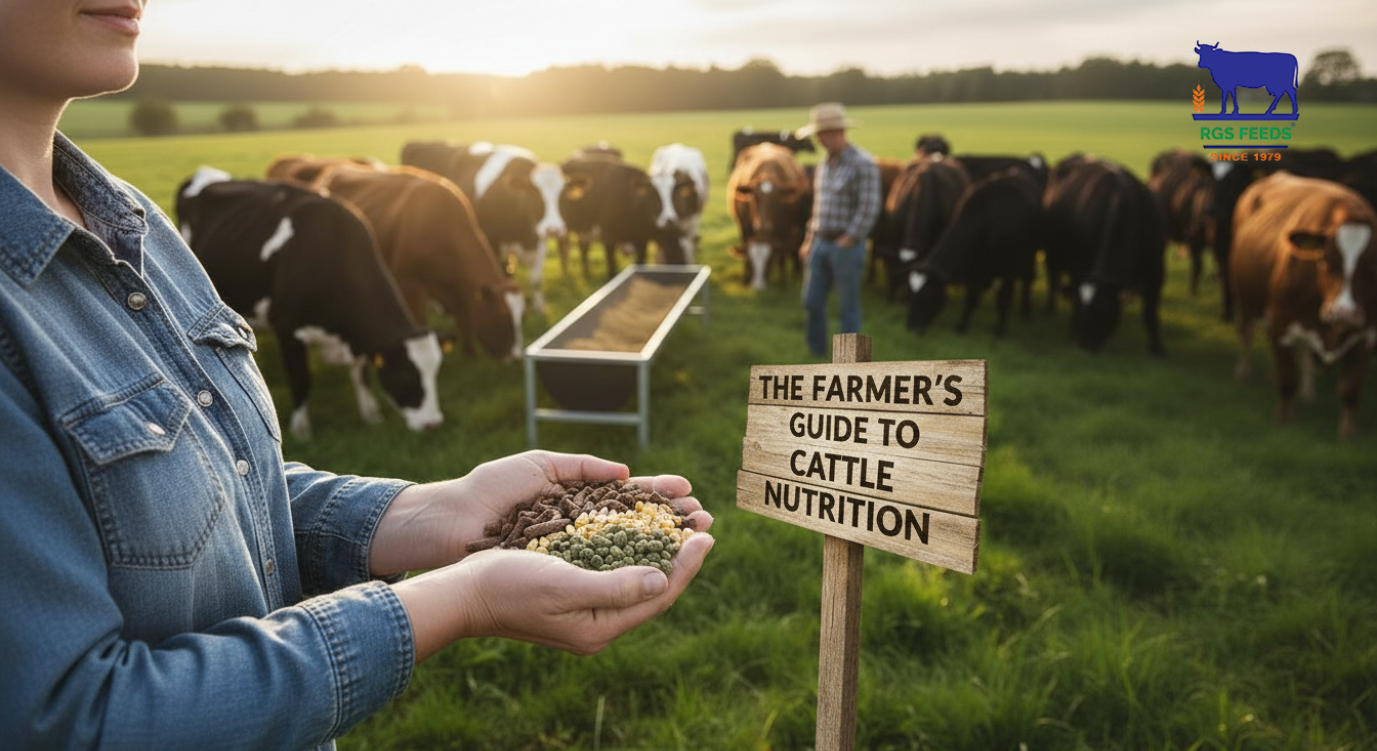
The Farmer’s Guide to Cattle Nutrition
Introduction: Why Cattle Nutrition Matters for Every Farmer
Cattle nutrition is the base of prosperous and profitable dairy farming. In the case of Indian farmers, giving the right cattle feed has a direct effect on milk production, animal health, and the overall sustainability of the farm in the long run. Unfortunately, a lot of farmers are trapped in situations where they have to deal with the increasing cost of feed, varying quality of cow feed, and unbalanced nutrition. A well-organized cattle nutrition guide can be an instrument to deal with such problems, as it makes certain that the animals get the necessary nutrients at every stage of their lives.
At RGS Feeds we are convinced that science-based cattle feed is an essential element for better health of the animals, increased productivity, and consequently a higher income for the farmers.
Basics of Cattle Nutrition Every Farmer Should Know
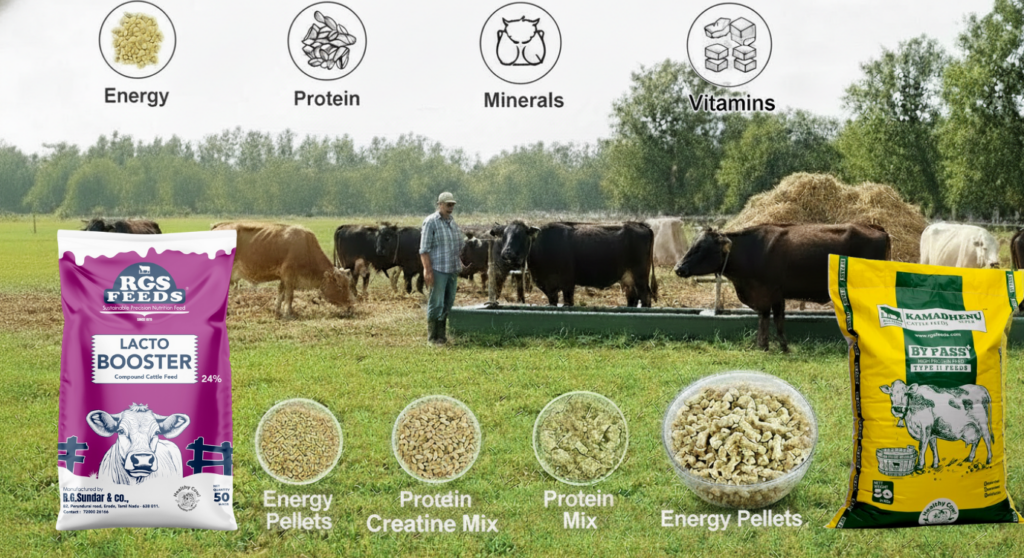
Cattle nutrition is all about giving the right combination of energy, protein, minerals, vitamins, and clean water to the animals. Energy is used for normal activities and milk production, while protein is involved in growth, reproduction, and tissue repair. Minerals and vitamins boost the immune system and prevent deficiency.
Maintenance nutrition only maintains the health of the cattle; production nutrition, on the other hand, supports milk yield, growth, and pregnancy. Starting from home, mixed rations of balanced commercial cattle feed from RGS Feeds can provide you with consistent nutrition that can result in better digestion and higher feed efficiency.
Importance of Cattle Nutrition in Dairy Farming
Cattle nutrition plays a crucial role in dairy farming, not just in terms of milk yield. Correct feeding of dairy cattle allows achieving milk fat and SNF (Solid-Not-Fat) levels, production of milk with excellent quality and even fertility. On the other hand, malnutrition causes low milk production, weak calves, digestive disorders, and frequent health problems. Poor feeding is a common practice for sick cows. Hence, by following a structured cattle nutrition guide and using cow feed of the best quality, farmers may enjoy stable production and healthier cows, resulting in good milk.
RGS Feeds is committed to feeding the herd nutritionally balanced rations that will help achieve dairy success over a long period.
Role of Nutrition in Cattle Health & Productivity
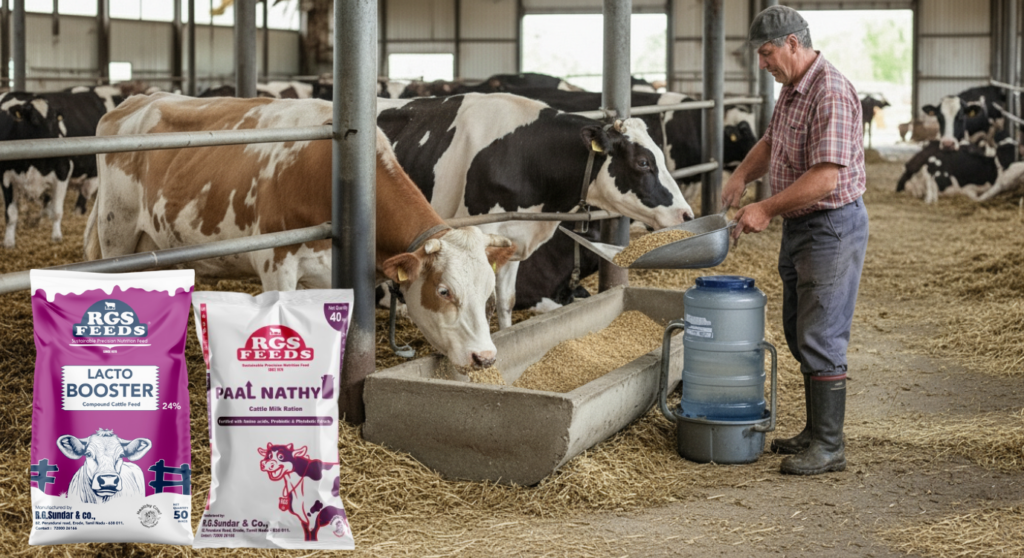
Nutrition is certainly very important to the well-being and productivity of cattle. Properly balanced cattle diets help to regulate rumen function, strengthen natural defense mechanisms against diseases, and extend the productive lives of dairy animals. Regular feeding times, drinking clean water, and adequate feeding during the switch from dry to lactation periods are necessary. When animals are not getting the right nutrients, they may suffer from metabolic disorders, and their milk production will be reduced. With the help of RGS Feeds’ top-grade feed products, farmers are regularly able to provide their animals with excellent health, making them very productive every day.
Energy Sources in Cattle Feed: What Indian Farmers Should Choose
Energy forms the basis of nutrition for dairy cows. Typical energy materials in the diet of cattle are maize, sorghum, barley, bran, and nutritious green fodder. Keeping the energy level just right is crucial to milk production and the state of the body. Giving too much energy to the animal can make it store excessive fat, and a lower energy supply will bring about a drop in milk production. RGS Feeds suggests mixing green fodder with a concentrate feed formula that is scientifically developed as an ideal combination.
Dairy Cattle Nutrition Guide for Different Growth Stages
Cattle Nutrition for Growing Calves
Growing calves require proper rumen development in addition to a high level of protein and energy. A good-quality calf starter boosts the calves’ immune system and benefits them in the long term as milk producers. RGS Feeds is a leading company in providing calf nutritional products that promote healthy growth.
Nutrition for Lactating Dairy Cows
Milk-producing cows need more energy, protein, and minerals to remain at their peak milk output. Feeding dairy cows a balanced diet from RGS Feeds not only helps keep the udder healthy, but it also improves milk quality and maintains the animal’s metabolism at a good level.
Nutrition for Pregnant & Dry Cows
Nutrition in pregnancy and the dry period is essential to avoid metabolic problems and also to prepare the cow for the coming lactation phase. Feeding according to the different stages of pregnancy will give the best results in terms of offspring health and ease of transition to new lactation.
Cattle Nutrition Guide for Small Dairy Farms
Small dairy farms find a significant advantage in inexpensive, ready-made cattle feed. Properly balanced feed can help lower feed waste and, at the same time, increase feed intake, thereby reducing the need for veterinary intervention. RGS Feeds understands the needs of small and marginal farmers and provides dependable cattle feed mixes that make nutrition management easy and give consistent results.
Best Cattle Feed for Indian Farmers: What to Look For
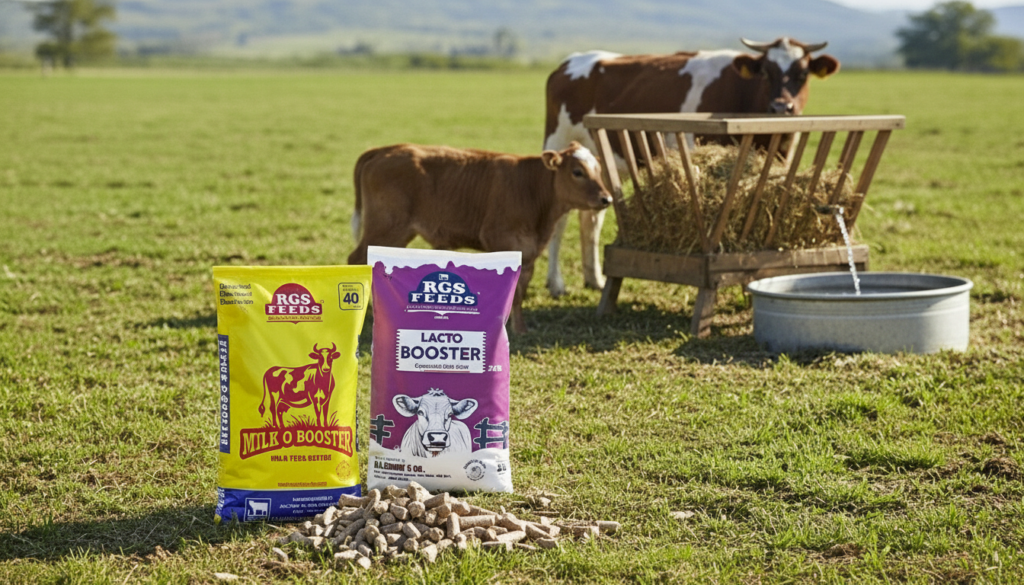
The best cattle feed for Indian farmers would be one that has balanced nutrients, clean raw materials, and is free of harmful additives. High-quality cattle feed gives a steady performance in comparison to the local feed, which is not regulated. RGS Feeds is committed to making quality cattle feed that helps increase milk yield, animal health, and farm profitability in the long run.
Choosing Premium & Quality Cattle Feed for Better Results
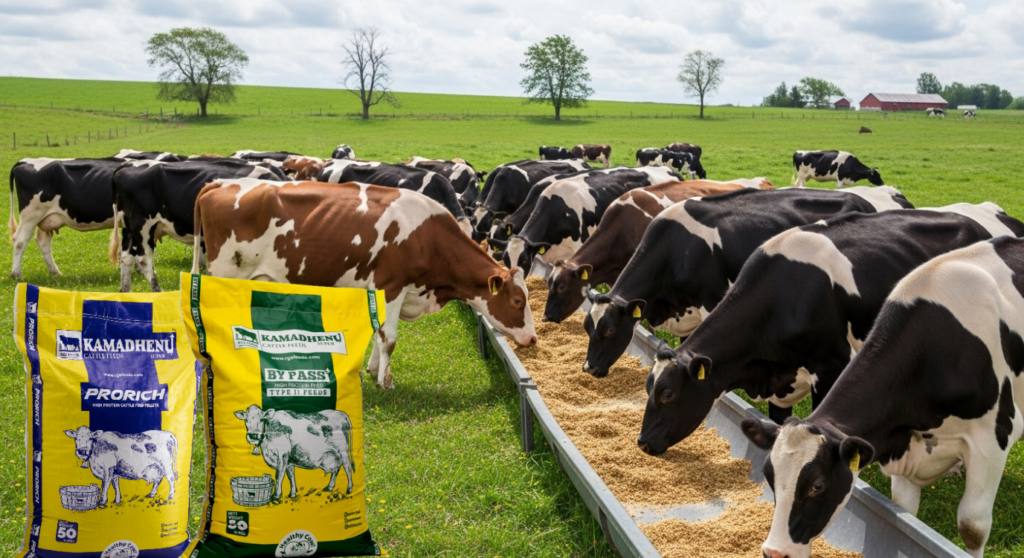
Premium dairy cattle feed helps in better digestion, increases milk production, and enhances immunity. These feeds contain slightly higher costs, but RGS Feed’s quality cattle feed will give you better returns through increased productivity, lowered disease risk, and healthier animals.
Conclusion:
Following a scientific cattle nutrition guide results in increased milk production, healthier cattle, and more sustainable dairy farming through balanced, stage-wise feeding and quality cattle feed.
Choose RGS Feeds for reliable cattle nutrition that helps in raising healthier animals and getting higher dairy profits.
FAQs
1.What is cattle nutrition?
Cattle get a major part of their dietary energy from carbohydrates and, to a lesser extent, fats. Protein plays a role too in energy provision, but it is quite minor. Bacteria in the rumen during fermentation produce enzymes that break down carbohydrates to simple sugars.
2.What is the best nutrition for cattle?
Cattle derive most of their energy from carbohydrates, especially those obtained from forages such as grasses and hay. Also, grains like corn, barley, and oats are great sources of energy and provide plenty of calories, which are necessary for fast growth and milk production.
3.What is the best cattle feed for dairy cows in India?
A balanced dairy cattle feed with the right amounts of energy, protein, minerals, and vitamins is best for keeping milk production going.
4. How much feed should a dairy cow eat per day?
The amount of feed depends on the body weight, milk yield, and lactation stage, but balanced rations are necessary.
5.Why is balanced nutrition important for milk production?
Balanced nutrition leads to better rumen health, allows an increase in milk fat, and reduces the risk of metabolic disorders.
6. What is the best nutrition plan for growing calves?
A high-protein calf starter feed along with the presence of essential minerals will provide the right, healthy growth and early rumen development.
7. What are the most important vitamins for cattle?
A well-balanced diet should provide fat-soluble vitamins A, D, and E; vitamin A plays a crucial role in the development of bones, the acuity of sight, and the preservation of soft tissues.