A Complete Guide to Creep Feeding Calves
Introduction to Creep Feeding Calves
Creep feeding calves is an efficient feeding method that is generally used by the most advanced dairy farmers as a way to support the early growth and long-term performance of calves. It consists of providing high-nutrient calf feed to the calves through specially designed calf creep feeders that are only accessible to the calves. The importance of early nutrition cannot be overstated, as it significantly contributes to the development of the rumen, immunity, and weight gain. RGS Feeds knows how a balanced cow and calf feed program can help farmers to get their calves healthier and at the same time increase the total farm profitability. When done right, creep feeding calves can give reliable and appreciable results.
What Is Creep Feeding, and How Does It Work?
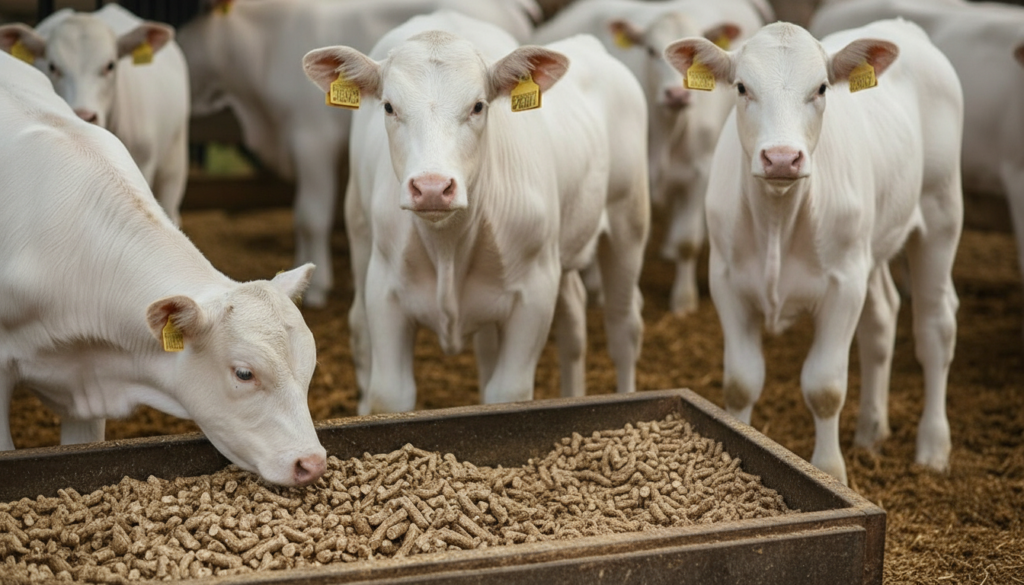
Creep feeding refers to the method of giving a calf some nourishment other than milk in the form of a good-quality solid feed before the calf is weaned. Devices for feeding calves in the creep are designed to keep the cows away from the feed; thus, calves get the best nutrition.
This procedure enables calves to adjust gradually to the solid food while they still get the milk by nursing. When calves start eating calf feed for dairy calves, their rumen gets better developed; thus, they are well prepared for the transition after weaning. RGS Feeds has stated creep feeding as a base for sustainable calf growth.
Benefits of Creep Feeding Calves
Creep feeding calves leads to one major benefit: better average daily gain pre-weaning. The best calf feed for weight gain helps the animal to build muscles, resulting in evenly grown calves throughout the herd. Besides this, creep feeding aids rumen development, lessens weaning stress, and boosts feed conversion efficiency. Calves fed with a well-balanced calf feed program are generally healthier and bring a higher price at the market. In any case, if you are running a dairy operation, RGS Feeds highlights creep feeding as a dependable method for getting the most out of your calf’s genetic potential.
Best Age to Start Creep Feeding Calves
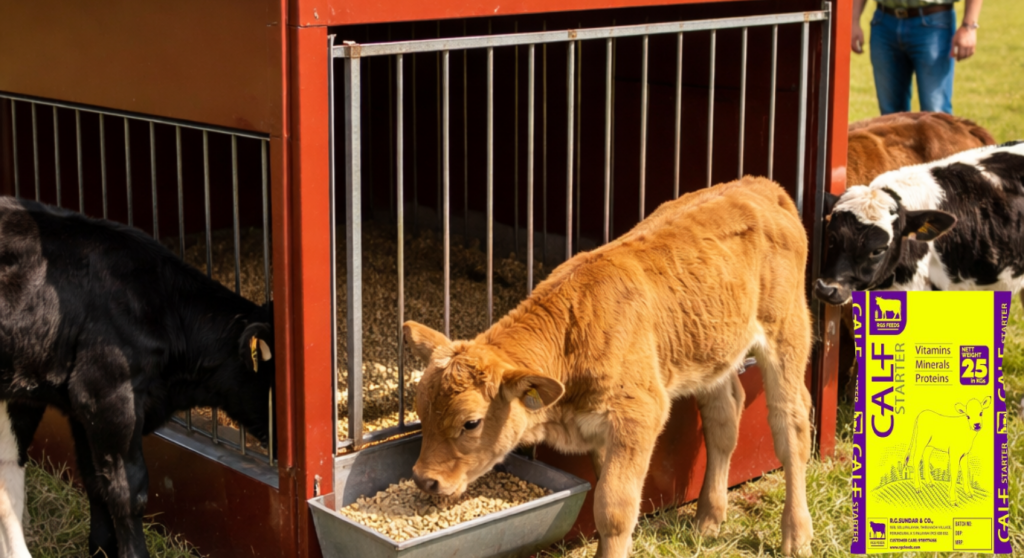
Most calves are typically ready for creep feeding at about 2 to 4 weeks of age, though it can depend on how things are managed on the farm and how much milk is available. Giving a calf starter feed at an early stage will naturally spark the calf’s appetite and willingness to eat. The transition should be very gentle and gradual, at first giving very little and only increasing the amount as the acceptance gets better. Dairy calves could even be introduced at an earlier stage. RGS Feeds suggests careful observation as a means to not only make sure the calves get enough nutrition but also prevent overfeeding.
Types of Calf Feed Used in Creep Feeding
Calf Starter Feed
Calf starter feed contains more protein and highly digestible nutrients, which support the growth of the rumen and muscles at an early stage. It is perfect for calves that are just starting to take in solid feed.
Calf Feed Pellets
Calf feed pellets are very convenient for calves to eat, and at the same time, they lead to a reduction in feed wastage. They provide the same level of nutrient intake and are great for use in calf creep feeders.
Energy-Rich Calf Feed
Energy-rich calf feed is made up of grains, fats, and fermentable carbohydrates, which help the calf to grow faster and gain weight more efficiently. At RGS Feeds, we formulate calf feed to match the exact energy and protein requirements of growing calves.
Nutritional Requirements for Balanced Calf Feed
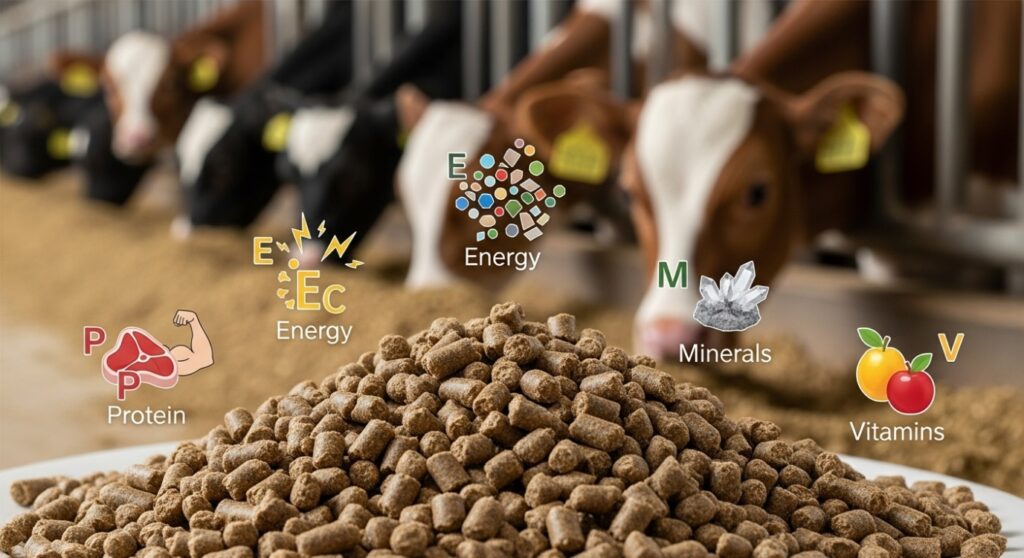
A nutritious calf feed should contain enough protein to support growth, energy to allow for weight gain, and essential minerals like calcium, phosphorus, and zinc. Vitamins primarily contribute to the baby’s immunity and general development in the first phases of life. Fresh, uncontaminated water is just as vital as the feed for enhancing intake and digestion. RGS Feeds is committed to research-based cow-calf feed products that ensure steady growth and healthy cattle for the future.
Setting Up Calf Creep Feeders Correctly
Proper installation of calf creep feeders is the primary step for successfully creep-feeding calves. One of the factors that farmers need to consider is the location of the feeders. Locating the feeders in a dry place with good shade near the cows’ resting spot is a good idea since the calves will feel comfortable and will come to creep feed more regularly. Also, feed must be kept away from moisture to stay fresh and tasty. Since calves are growing and getting taller, the feeder’s height should be changed accordingly. Besides, it should be ensured that the cows do not get access to the feed. RGS Feeds recommends regular cleaning of feeders as a way to facilitate normal feed intake.
Common Mistakes to Avoid in Creep Feeding
Introducing calf feed later than necessary will limit the benefits gained from it. At the same time, if you use low-quality or unbalanced feed, the growth potential may be lower. Overfeeding without checking how much they eat leads to both wastage and digestive problems. Neglecting the cleanliness and freshness of the feed will also make calves less willing to eat. Nevertheless, it is always good to stay on the right track and utilize good, quality feed from well-known brands such as RGS Feeds so as to steer clear of all these problems.
Role of Feed Quality in Successful Creep Feeding

The success of creep-feeding calves depends to a great extent on the quality of the feed. Low-quality calf feed can lead to decreased intake and limited weight gain even if the feeder is properly arranged. High-quality calf feed pellets and well-balanced calf feed significantly increase palatability, digestibility, and nutrient absorption. Calves fed on correct combinations of protein, energy, and minerals are capable of growing to their full potential. To give weight-gain feed for calves that makes a visible difference, RGS Feeds implements rigorous quality control and nutrition experts.
Conclusion: Maximizing Growth with the Right Calf Feed Strategy
Creep feeding calves is an excellent way to increase growth, reduce stress at weaning, and improve the overall performance of the herd. Through the selection of a balanced, energy-rich calf feed and proper arrangement of calf creep feeders, farmers can achieve great productivity increases over a long time. RGS Feeds, with their expertise in nutrition and formulation of quality, environmentally friendly products, assist farmers in raising strong and healthy calves from the very beginning.
RGS Feeds is a trusted partner in calf nutrition that can deliver prompt results.
FAQs – Creep Feeding Calves
-
What is creep feeding calves?
Creep feeding calves refers to the practice of giving calves a supplemental feed through special feeders called creep feeders so they gain more weight and their rumen develops at an early stage. -
When should creep feeding calves be started?
Generally, creep feeding begins when the calf is between 2 and 4 weeks old to facilitate the transition of the calf to solid food while still consuming milk. -
What is the best calf feed for weight gain?
The best calf feed for weight gain would be a mixture of energy-rich compounds containing protein, minerals, and vitamins in a balanced manner for overall vitality and growth. -
Are calf creep feeders necessary for creep feeding?
Yes, calf creep feeders serve as the only point of access for calves to eat, thus preventing the mother cows from feeding on the same and hence less wastage. -
Is creep feeding suitable for dairy and beef calves?
Creep feeding allows both dairy and beef calves to gain the benefits of improved rumen development, weight gain, and easy weaning transition. -
How long should creep feeding calves continue?
Creep feeding is usually practiced until the time the calves are weaned; this depends on how much the calves are growing and their feed intake level.