Understanding Essential Cattle Feed Additives
Introduction to Cattle Feed Additives
In today’s dairy farming, the main factors that determine the health of cattle and the production of milk consistently are the quality of cattle feed. Although traditional feed for cattle supplies the basics, it usually cannot provide enough nutrients for the high productivity requirements of dairy farms. Cattle feed additives serve this purpose effectively. Through additives that have been meticulously formulated to improve the digestive system, immune system, and milk production, the cattle are provided with the complete and balanced nutrition they require. Farmers seeking dependable dairy cattle feed now consider the use of the right additives as a necessity for the sustained performance and profitability of their herd.
What Are Cattle Feed Additives?
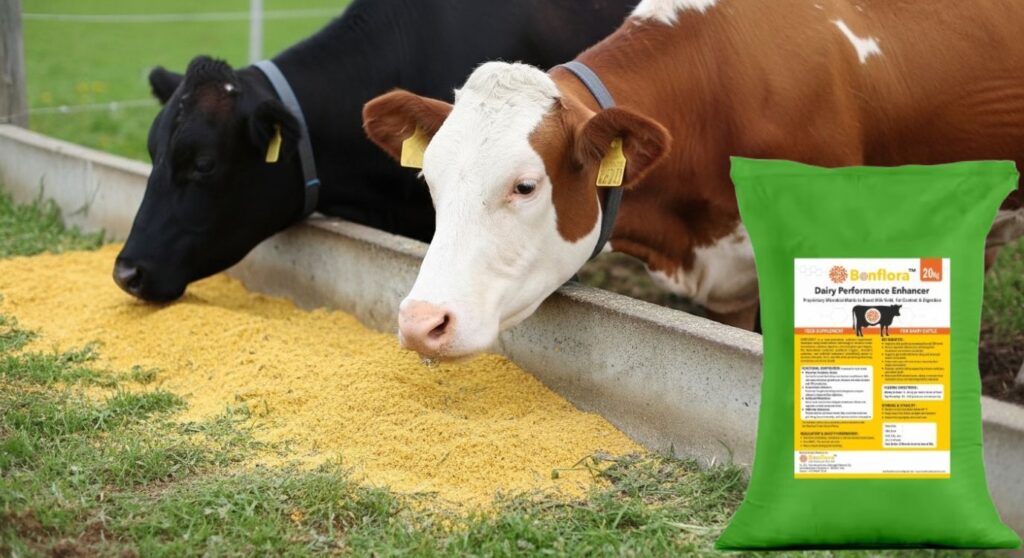
Cattle feed additives are basically nutritional supplements that are mixed with the regular cow feed to make it more nutritious and effective. These add-ons refer to proteins, minerals, vitamins, enzymes, and natural compounds that help animals get better nutrients from the feed. Nutritionally balanced cattle feed that is enhanced with nutrients is quite different from ordinary feed, as it is specially designed to fulfill the needs of dairy animals at various stages of growth and lactation. A good feed formula for dairy cows will continuously provide energy, facilitate proper digestion, and increase milk production.
Importance of Feed Additives in Dairy Cattle Nutrition
Feed additives are vital to the animal’s digestive health, enhancing their immune system and reproductive system of cattle. Essential feed additives combined with quality livestock feed can help in averting nutritional deficiencies, which are the roots of low milk production and unhealthy animals. On commercial dairy farms, nutrition regularity is the secret, and additives are the main factor to have a uniform nutrient intake by the whole herd. When farmers utilize scientifically prepared dairy cattle feed, they can increase milk quality, get more output from the feed, and also have a less damaging environment for cattle growth.
Types of Essential Cattle Feed Additives
Protein-Based Additives
Protein essentially is the foundation of milk production. Protein-based concentrates play a major role in high-protein dairy cow feed. More so, lactating and high-yield cows, since these are the ones that need the extra protein. Protein from the diet aids the muscle development, milk synthesis, and quicker recovery post calving of the cows. A proper supply of protein helps cows keep their bodies healthy even as they produce more milk.
Energy-Rich Additives
Dairy cattle have a high energy need for their daily activities and milk production. Providing energy-rich additives is one way of satisfying these needs, as it helps to increase the stamina of the animals and also lessens their metabolic stress. Also, energy-rich cattle feed enables better feed conversion and thus can prevent animals from losing weight during their peak lactation periods, which is why it is a must for productive herds.
Mineral & Vitamin Additives
The minerals calcium and phosphorus combined with vitamins A, D, and E are essential for the excellent health and productivity of bones, fertility, and immunity. These substances are also beneficial in preventing milk fever and generally enhancing the cattle’s natural defenses against diseases. A dairy ration that is nutritionally complete and balanced is one that supplies dairy cows not only with energy and protein but also with the adequate mineral and vitamin mixture.
Organic & Natural Feed Additives
With the increased understanding of sustainable farming, organic and natural additives have become more popular. Organic cattle feed is beneficial for animal digestion, lessens the use of chemicals, and is in harmony with environmentally friendly dairy farming. Natural additives, furthermore, positively influence gut health and thereby contribute to a long-term increase in productivity.
Choosing the Right Feed Additives for Dairy Cattle
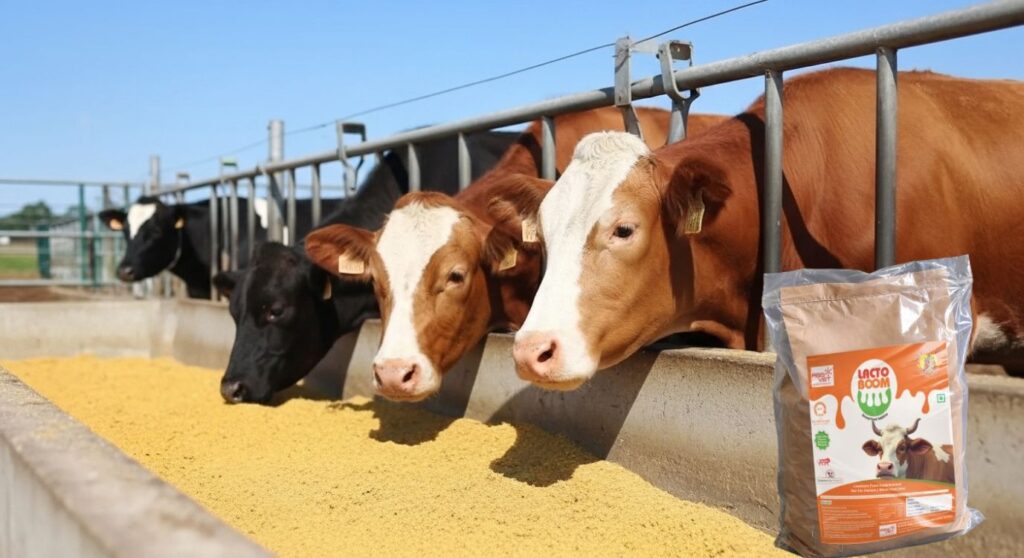
Choosing the right additives is mainly influenced by a few factors, such as the age of the cattle, the stage of lactation, and the scale of the farm. Young cattle require nutrition that is geared towards their growth; on the other hand, lactating cows should be fed energy- and protein-rich diets. Regularity is essential; supplying a trusted, balanced feed for dairy cattle is the most direct way of providing uniform nutrition and stable milk production. Reputable producers such as RGS Feeds adhere to stringent quality norms to provide nutritionally balanced dairy cattle feed, catering to the requirements of various types of farming.
Role of Bulk Cattle Feed in Commercial Dairy Farms
Bulk cattle feed is an economical and practical solution for large operations. Feeding in bulk guarantees that all animals get the same nutrition, and it also makes storage and handling easier. Besides that, it cuts down on feeding variations, which, if not controlled, will definitely affect milk production. Several commercial farms use bulk supply to keep their cattle feed for dairy farms consistently at a high level without compromising quality.
How High-Quality Cattle Feed Improves Milk Production
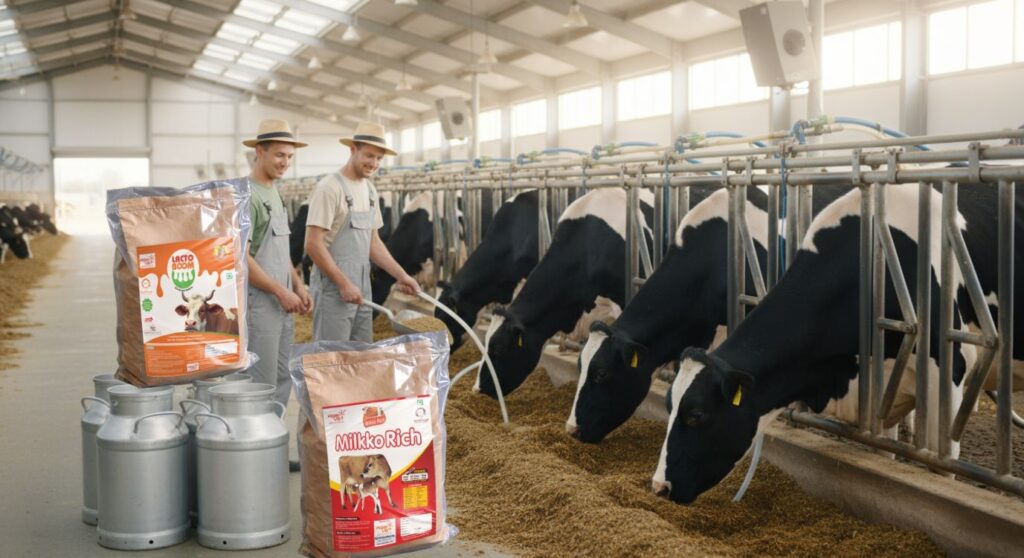
Suitable and high-quality cattle feed that contains necessary additives will definitely have a positive effect on the quantity and quality of milk. Excellent nutrition of cows increases the amount of milk fat, protein, and the quality of whole milk. Cattle that are fed adequately become healthy, fertile, and live longer; thus, investing in superior dairy cattle feed is wise.
Conclusion:
Cattle feed additives have become the very basis of present-day dairy nutrition. It is through the use of the correct additives that the ordinary cow feed is changed into performance-oriented nutrition in terms of protein, energy, minerals, and organic solutions. The selection of a scientifically formulated dairy cattle feed not only leads to healthier cattle but also higher milk yield and sustainable farm growth.
Discover premium cattle feed additives designed for healthier livestock and improved performance.
FAQs
1. Why are feed additives important in cattle feed?
Feed additives enhance digestion, health, and milk production of animals, which in turn ensures a balanced diet for dairy cattle.
2. Is bulk cattle feed suitable for small farms?
Definitely bulk cattle feed can be tailored and is a great option for farmers who want to provide consistent nutrition to their animals.
3. Does organic cattle feed improve milk quality?
Organic additives help the animal to get excellent digestion and better health, which indirectly may produce milk of better quality.
4. How do I choose the best dairy cattle feed?
The best feed can be selected by considering the age of your cattle, their production stage, and their nutritional requirements from recognized brands like RGS Feeds.
5. What are protein-based feed additives?
They provide essential amino acids to support milk production, muscle growth, and recovery, especially for lactating and high-yield dairy cows.
6. How do feed additives help milk production?
They provide essential nutrients that improve milk yield, quality, fat, and protein content while keeping cows healthy and fertile.