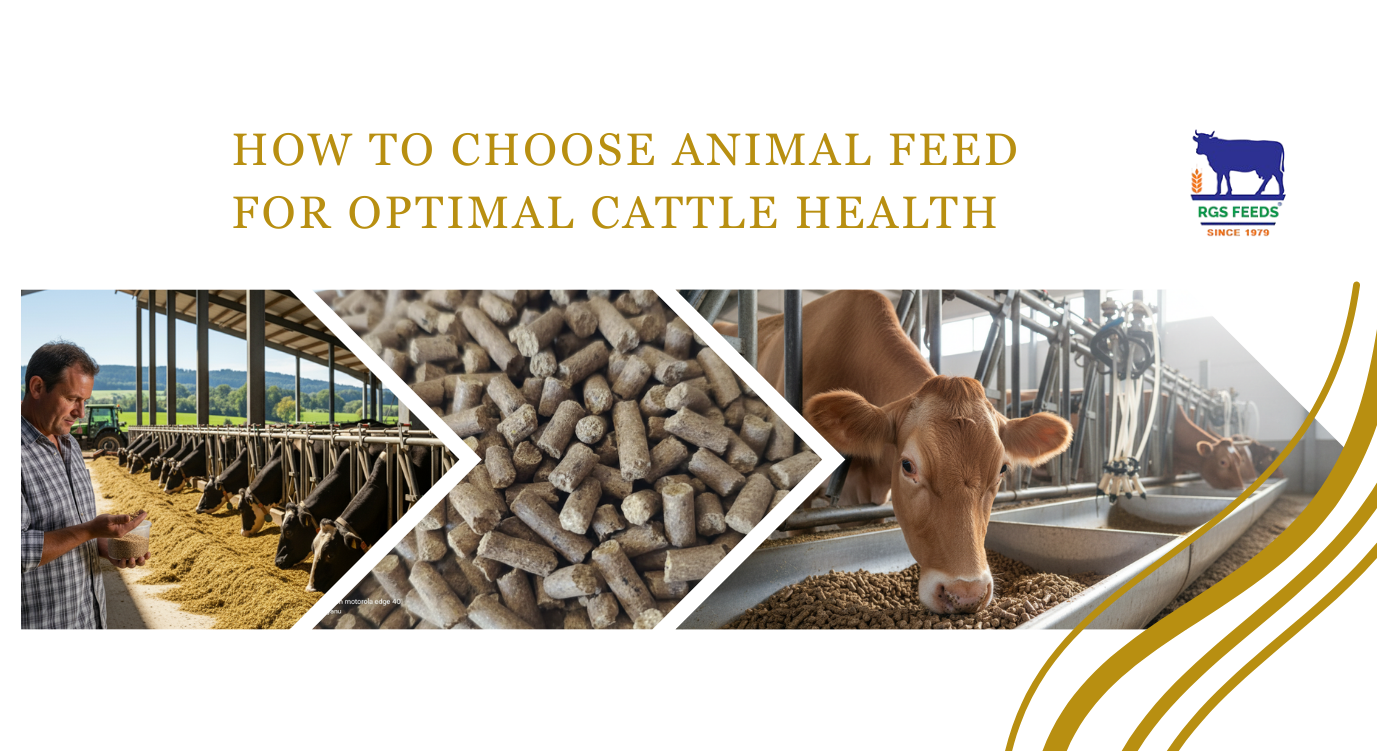
How to Choose Animal Feed for Optimal Cattle Health
Selecting appropriate animal feed is one of the most critical decisions in cattle farming. Animal feeds are known to affect milk production, growth rate, and immunity. Cattle feeds are a challenge to many cattle farmers. Cattle feeds are a challenge to many cattle farmers. Knowing how to select animal feeds for cattle can help in achieving a sustainable cattle farming business.
We at RGS Feeds focus on scientifically formulated feeds for cattle to ensure optimal cow health.
Understanding the Nutritional Needs of Cattle
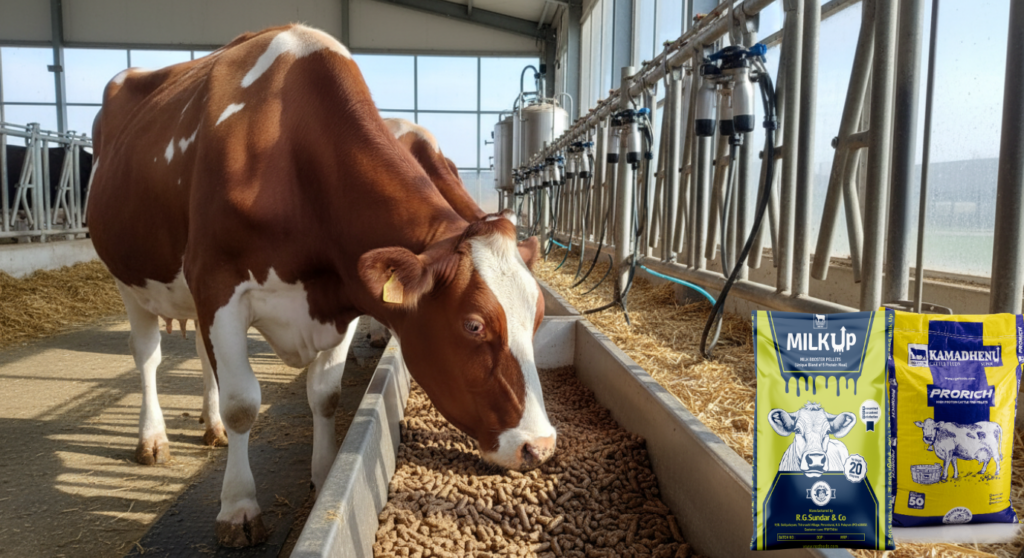
Cattle should have a perfectly balanced diet that includes adequate quantities of protein, fiber, energy, vitamins, and minerals. All these components play a vital role in ensuring proper health and productivity. Protein is necessary for developing muscle masses and milk, and fiber is necessary for proper digestion.
Nutritional needs differ among the various breeds of cattle. For instance, lactating cows need a higher energy and protein content of feed to produce milk. On the other hand, dry cows and calves need balanced diets. Nutrition is essential to attain optimum results.
Types of Animal Feed for Cattle
A good feeding plan uses more than one kind of feed:
- Green fodder: New grasses and legumes that are full of nutrients and easy to digest
- Dry fodder: Hay and straw that add fiber and make the rumen work better
- Concentrates: Grains and oil cakes are examples of high-energy, protein-rich feeds.
- Organic feed: Options that are natural and free of chemicals that make animals healthier
Finding the best feed for cattle health means balancing these types of feed so that they meet their nutritional needs in the most efficient way.
Key Factors in Cattle Feed Selection
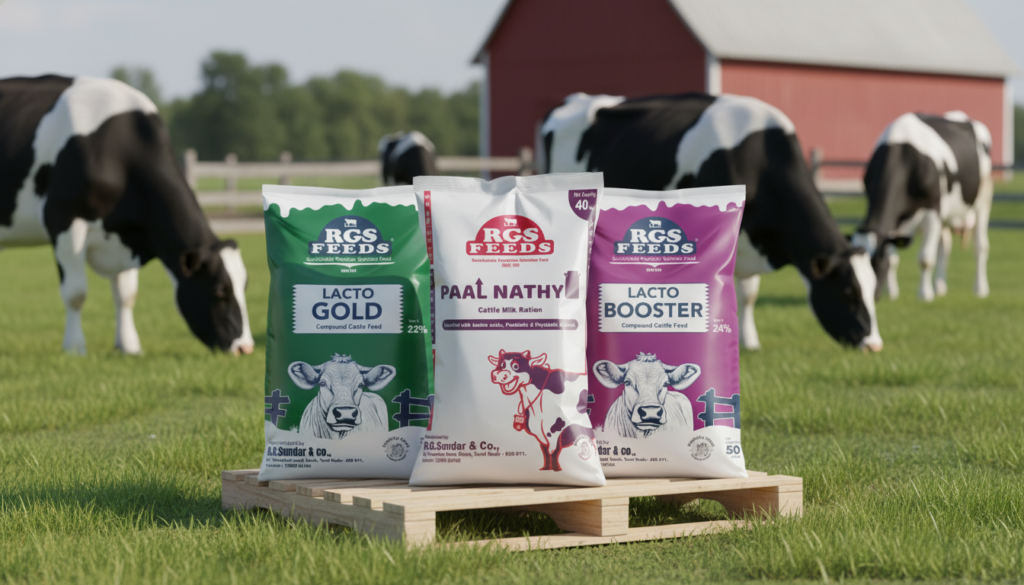
When considering animal feed, it is important to take the following critical factors into account.
- Nutritional balance: The feed should have adequate protein, fiber, and minerals.
- Digestibility: The feed should be easily digestible to enhance nutrient uptake and minimize wastage.
- Quality over price: Cheap feed may negatively impact the health and productivity of animals.
- Consistency and supply: The feed should be sourced from consistent sources to ensure timely feed intake.
High-quality feed should be obtained from reputable, high-protein cattle feed suppliers, such as RGS Feeds.
Benefits of High-Quality and High-Protein Feed
Some advantages of providing good-quality animal feed are:
- Increase in milk production in dairy cattle
- Increase in weight gain and growth rate
- Increase in immunity and disease resistance
- Increase in reproductive performance
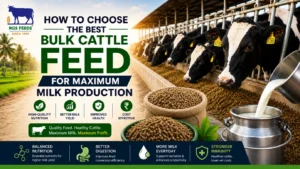
High-protein feed plays an important role in providing these advantages, especially in dairy cattle, by enhancing their overall health, boosting milk production, and improving their ability to resist diseases.
Organic Feed for Dairy Cattle Health
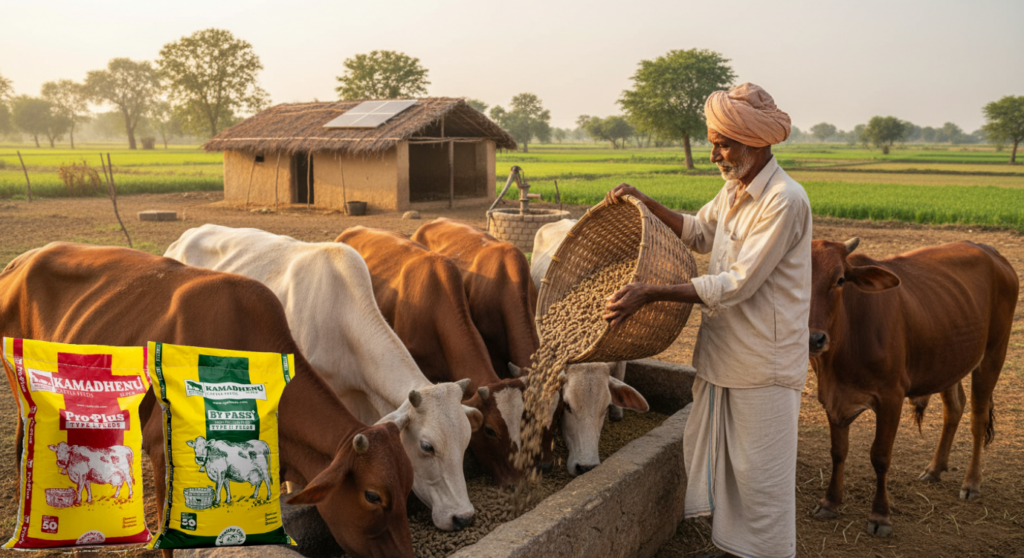
Organic cattle feed for dairy cattle health has gained popularity as the demand for chemical-free milk increases. Organic cattle feed helps maintain animal health without the risk of exposure to harmful chemicals.
Organic cattle feed also helps farmers meet the demands of the market, as well as the need for environmentally safe agricultural practices, by providing a sustainable alternative that can enhance the quality of milk produced and support animal welfare.
Choosing the Right Feed Supplier
The choice of supplier is as significant as the choice of feed. The supplier should be one who can deliver quality, be transparent, and have nutritional standards in place.
We, at RGS Feeds, believe in quality control measures and can deliver nutritionally balanced feed solutions to meet the demands of today’s farming practices with the help of our high-protein cattle feed suppliers.
Common Mistakes to Avoid
Avoiding general feeding mistakes is crucial to attaining optimal results:
- Overuse of concentrates and the resulting digestive problems
- Forgetting to use minerals and thus causing deficiencies
- Improper storage leading to feed degradation
- Improper changes in feed and the resulting stress to the cattle
By being aware of these general feeding mistakes, farmers can make informed decisions concerning cattle feed selection.
Conclusion
Selecting the correct animal feed is the cornerstone for successful cattle farming. Cattle farming necessitates the selection of well-balanced and high-quality animal feeds. This process is essential for cattle farming because it helps in cattle productivity and profitability. Whether you prefer traditional or organic animal feeds for dairy cattle health, making correct decisions is essential.
At RGS Feeds, our commitment is to deliver high-quality, well-balanced animal feeds that enhance cattle productivity and success.
Contact RGS Feeds today and get the best animal feed for your cattle and take your productivity to the next level.
Frequently Asked Questions (FAQs)
1. What is the best animal feed for the health of cattle?
A mix of green fodder, dry fodder, and high-protein feed is considered the best.
2. How can I select the appropriate cattle feed?
The nutritional value, digestibility, quality, and reliability of the supplier should be considered.
3. Is organic feed beneficial for dairy cattle?
Yes, organic feed is beneficial for the health of dairy cattle, and it will ensure the quality of milk.
4. Why is protein important in cattle feed?
Protein is important in cattle feed because it is required for their growth and health.
5. How often should cattle be fed?
Cattle should be fed regularly with a proper time schedule to ensure proper digestion.
6. What are the signs of poor-quality cattle feed?
Molds, bad smells, dust, and poor nutritional value can indicate the poor quality of cattle feed. It may result in decreased milk yield, improper digestion, and health hazards for the cattle.
7. Can cattle feed affect milk production directly?
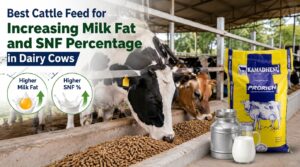
Yes, the quality of cattle feed directly influences milk production and fat percentage. High-protein and high-energy cattle feed will enhance milk production.
8. How should cattle feed be stored properly?
Cattle feed must be stored in a dry and airy place, away from moisture and insects.