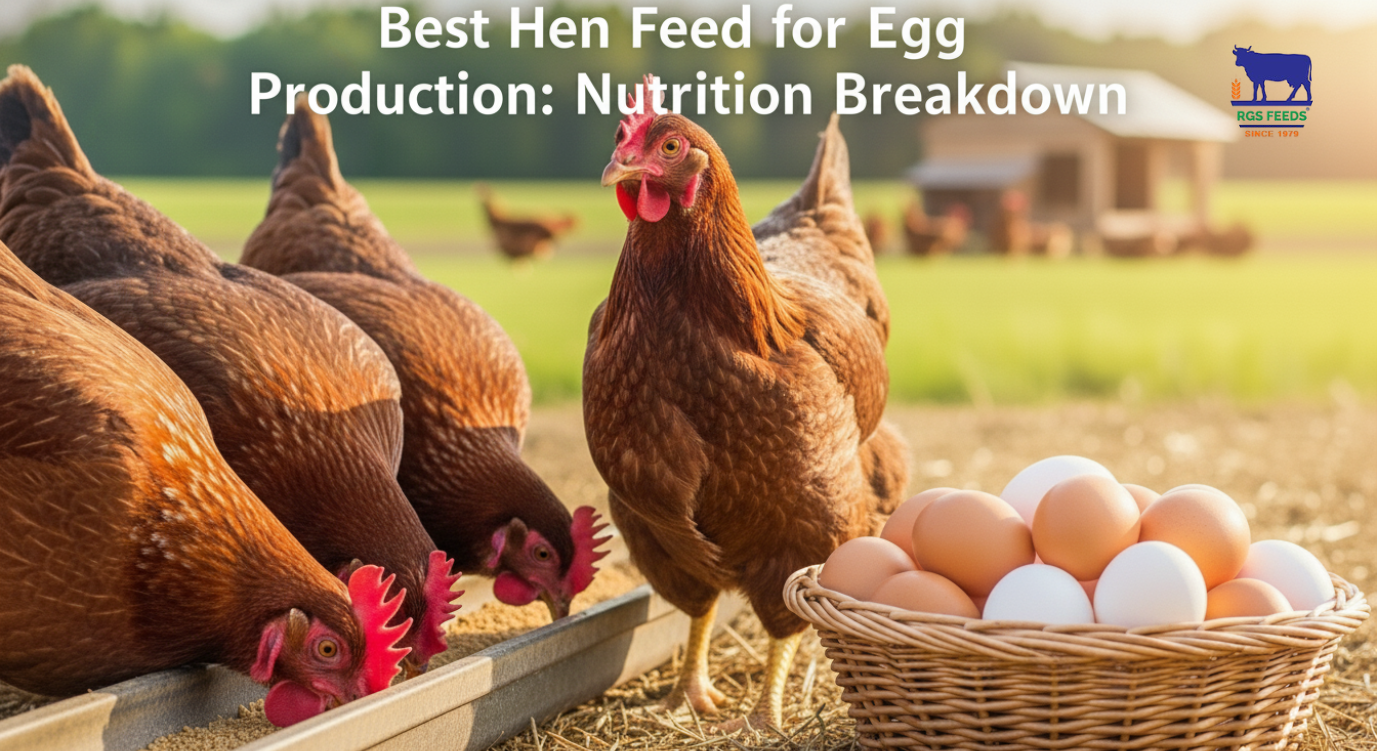
Best Hen Feed for Egg Production: Nutrition Breakdown
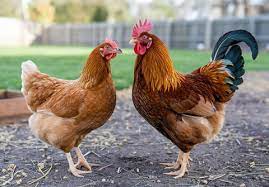
Egg production is one of the key factors that determine the success of a poultry farm. To maintain egg-laying regularly, hens require a nutritious and balanced diet with the right supply of protein, energy, vitamins, and minerals. Apart from increasing the number of eggs, choosing the proper hen feed for egg production also helps improve the eggshell quality and the overall health of the birds.
However, the role of good nutrition is ignored by the majority of poultry farmers. It is important to know the nutrition that laying hens require in order to give balanced poultry diets that keep the poultry healthy. In addition, good poultry nutrition helps in achieving efficient poultry feeding as well as a strong immune system in the poultry.
This handbook guides you through the basic nutrients, major feed components, and feeding techniques that lead to the highest possible performance of egg layers.
Why Hen Feed Quality Matters for Egg Production
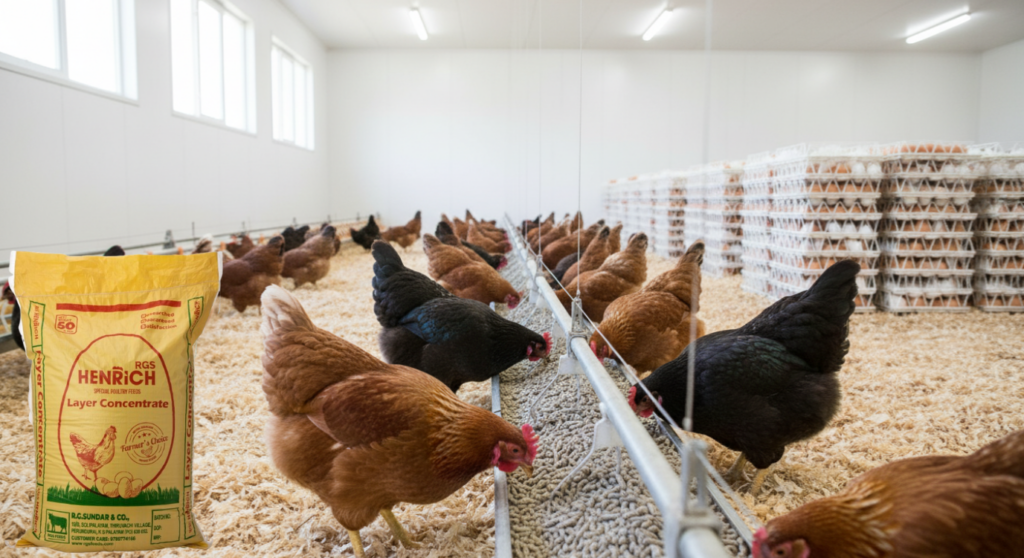
Feeding is an important aspect in the determination of the productivity of poultry. Balanced feeding ensures that nutrients are converted into eggs by the hens. However, inferior quality feed may lead to reduced egg production, fragile eggshells, and even health problems.
Providing the best feed to increase egg laying offers several benefits:
- Improved egg production consistency
- Stronger eggshell quality
- Better poultry immunity and health
- Higher feed conversion efficiency
- Longer laying cycles
Farmers who invest in high-quality poultry feed solutions, such as those developed by RGS FEEDS, can support better flock performance and long-term farm productivity.
Essential Nutrients Required for Egg Laying Hens
For hens to maintain optimal egg production, their feed must contain a balanced mix of nutrients.
1. Protein for Egg Laying Hens
Protein is an important element in the production of eggs due to the high protein content in eggs. A hen that is given high-protein feed for laying hens will be able to produce good quantities of eggs as well as maintain a good body condition.
Common protein sources in poultry feed include:
- Soybean meal
- Fish meal
- Groundnut cake
- Sunflower meal
A typical layer diet usually contains 16–18% protein, which supports consistent egg production and healthy bird growth.
2. Energy Sources for Egg Production
Energy is required to carry out metabolic activities that result in eggs. If there is a deficiency of energy in the diet, hens may probably reduce their frequency of laying eggs. Ingredients that provide energy:
- Corn
- Wheat
- Sorghum
- Barley
These grains form the base of most diets used in rearing hens for laying eggs, ensuring that hens have enough energy to lay eggs every day.
3. Calcium for Strong Eggshells
Calcium is important in the making of eggshells. Laying hens need more calcium because a lot is required for the making of an eggshell.
Calcium sources are as follows:
- Limestone powder
- Oyster shell
- Bone meal
Calcium in the feed for hens is important in making the eggshell strong and not thin or broken.
4. Vitamins and Minerals
Vitamins and minerals play a very important role in keeping laying hens healthy and efficiently producing.
Key nutrients include the following:
- Vitamin A for immunity and vision
- Vitamin D3 for calcium absorption
- Vitamin E for reproductive health
- Phosphorus for bone strength
Ensuring the poultry nutrition with regular and balanced supplementation can deliver the highest egg yield and better bird health.
Best Feed Ingredients for Egg Production
Excellent poultry feed is prepared by mixing nutrients providing a balance of the required nutrition. Below are some of the main components of the best hen feed for egg production:
- Maize or corn for energy
- Soybean meal for protein
- Wheat bran for fiber
- Fish meal for amino acids
- Limestone for calcium
By thoroughly mixing these components, you get a nutritious poultry feed blend that helps in the health of laying hens and regular egg production.
RGS FEEDS formulation of the feed targets is in giving exact nutrient balance to optimize egg production alongside keeping the poultry birds’ health in good condition.
Feeding Practices to Increase Egg Production
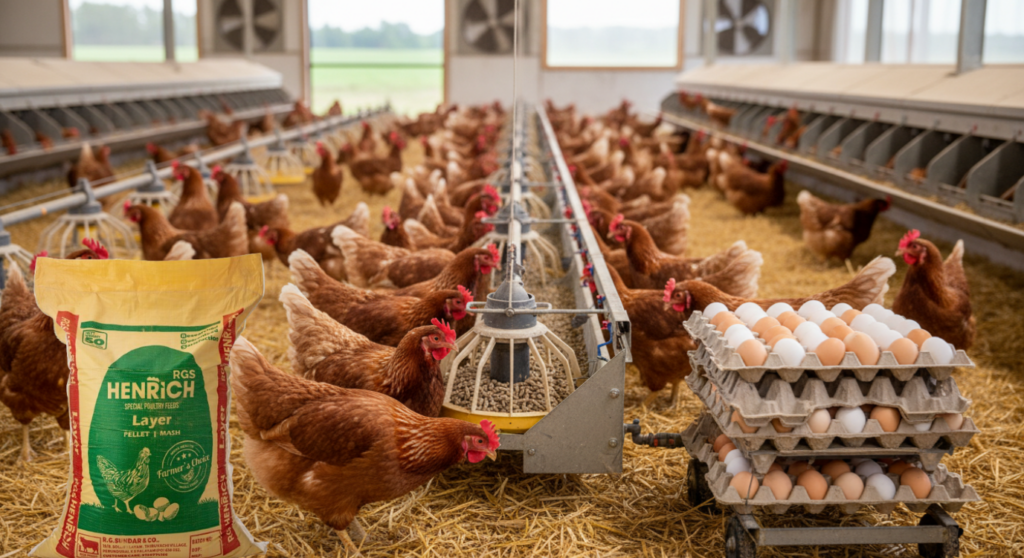
Proper feeding management is important in maximizing egg production. Poultry farmers should always follow a regular feeding schedule and make sure the hens are provided with clean water and feed.
The best practices for poultry feeding are
- Feed at the same time each day
- Constant and clean water supply
- Balanced protein and calcium levels
- Fresh and free of contaminants
- Frequent monitoring of feed consumption
These practices will enable poultry farmers to attain higher egg production.
Common Feeding Mistakes Farmers Should Avoid
Certain feeding blunders may have a major impact on egg production. Avoidance of these blunders may help in enhancing poultry performance.
Common blunders include:
- Feeding impure or poor-quality feed
- Failure to add calcium supplements
- Irregularity in feeding time
- Balance of nutrients in feed
Balanced poultry feed containing nutrients in the right proportion is available in the market from reputed companies such as RGS FEEDS.
Frequently Asked Questions
1. What is the best feed to give to hens to lay eggs?
The best feed to give to hens to lay eggs should contain a balanced amount of protein, energy, calcium, vitamins, and minerals to help them lay eggs frequently while maintaining their health.
2. How much protein do laying hens require?
To lay a good number of eggs, laying hens require a 16-18% protein content in their feed to maintain their performance at the same level.
3. Why is calcium important to laying hens?
Calcium is important to laying hens, as it is required to make strong eggshells. Hens that lack calcium may lay eggs that have fragile eggshells.
4. How often should laying hens be fed?
Usually, poultry farmers feed their hens twice a day, along with an adequate supply of clean water at the same time.
Conclusion
Offering hens high-quality feed is a crucial factor that greatly impacts their health and the quantity of eggs they lay. Making sure hens get the right nutrients, such as proteins, energy, calcium, vitamins, and minerals, will help keep them laying eggs and in good shape the whole time.
Poultry farmers can increase their egg production, improve eggshell quality, and make their farms more profitable by knowing the nutritional needs of egg-laying hens and choosing quality feed ingredients.
RGS FEEDS is committed to delivering a feeding solution that is nutritionally balanced and targeted at improving the health and/or maximizing the egg production of your poultry.
Improve your poultry’s health and/or egg production by choosing our poultry feeds from RGS FEEDS.