High-protein cattle feed is an essential part of effective livestock nutrition, having a direct impact on growth rate, milk production, the immune system, and the entire herd’s financial results. RGS Feeds realizes that protein in cattle feed is more than just an ingredient—it is what keeps the animals healthy and productive. No matter if your focus is dairy cows, calves, or a mixed herd, determining the protein source in cattle feed is a key step towards achieving sustainable results. This piece of content details the ways in which high-protein cattle feeds drive performance, the increased protein requirement in dairy cows, and the criteria for selecting ideal protein cattle feed for your farm.
What Is High-Protein Cattle Feed?![]()
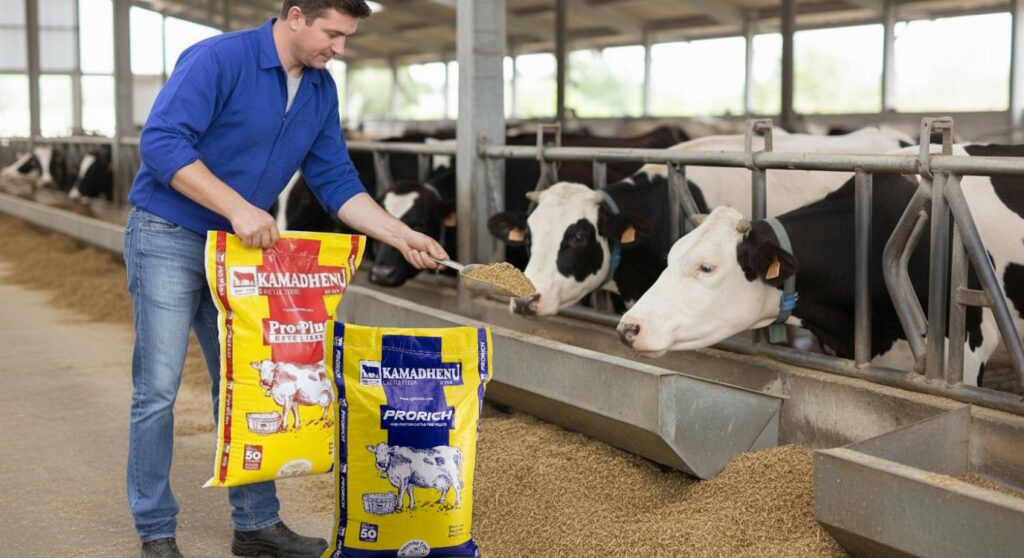
High-protein cattle feed is scientifically formulated feed that will deliver high levels of digestible protein to satisfy the nutritional needs of cattle at the different stages of production. Protein for cattle feed is a source of essential amino acids that are required for the development of muscles, the production of milk, and other metabolic activities.
Knowing the difference between crude protein and useful protein is crucial. Crude protein is a measure of the total nitrogen content, while useful protein is a measure of the protein digestible by cattle and thus convertible into energy and production. At RGS Feeds, they don’t only focus on raising protein levels but also protein quality and digestibility. High-protein cattle feed, in comparison to low-protein cattle feed, brings about better feed efficiency, health, and productivity of the animals.
How High-Protein Feeds Power Cattle Performance
Protein is an important part of rumen function and overall cattle performance. High-protein feed for cows promotes muscle growth, increases resistance to diseases, and enhances the digestion of nutrients. If protein consumption is properly balanced, cattle become more efficient in feed utilization and perform regularly.
Key benefits of high-protein cow feed are:
- Weight gain, which is faster and healthier
- Better feed conversion ratio
- An immune response that is stronger
- Body condition and vitality, which are better
The RGS Feeds high protein cattle feed, by matching nutrition with the physiological needs, can help farmers to get predictable and measurable results throughout their herds.
Why High-Protein Feeds Are Critical for Dairy Cows
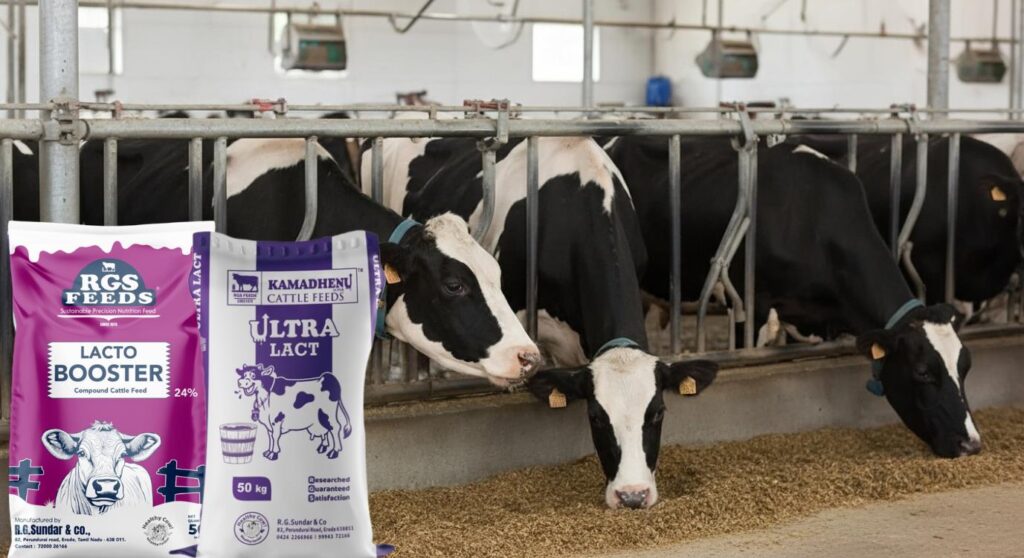
Dairy cows require a lot of protein, especially in the early stages of their milk production cycle. Giving high-protein feed to dairy cows will help in the synthesis of milk because amino acids have a direct impact on the volume, protein content, and solids-not-fat (SNF) of milk.
Protein concentrate cattle feed helps dairy cows keep a steady milk yield, better their reproductive performance, and be less stressed metabolically. If the supply of protein is limited during lactation, a fall in milk production and an unhealthy condition of the herd may result. RGS Feeds produces high-protein concentrates for dairy cattle to satisfy these heightened requirements, thus securing both output and animal welfare over the long run.
Protein Requirements at Different Stages of Cattle Life
Protein supply for cattle depends on their age, growth stage, and production objectives. Young calves need more protein for their fast tissue development, whereas growing animals should be given enough protein for a continuous weight gain. Along with milk production, lactating cows have the highest protein requirement.
Protein deficiency or imbalance is often the result of using the same cattle feed across all stages. Protein deficiency causes stunted growth and lower milk production, whereas too much protein just raises the cost of feed without any additional benefits. RGS Feeds formulates stage-wise cattle feed products to make sure cattle get the right amount of protein at each stage.
Best Protein Sources Used in High-Protein Cattle Feed![]()
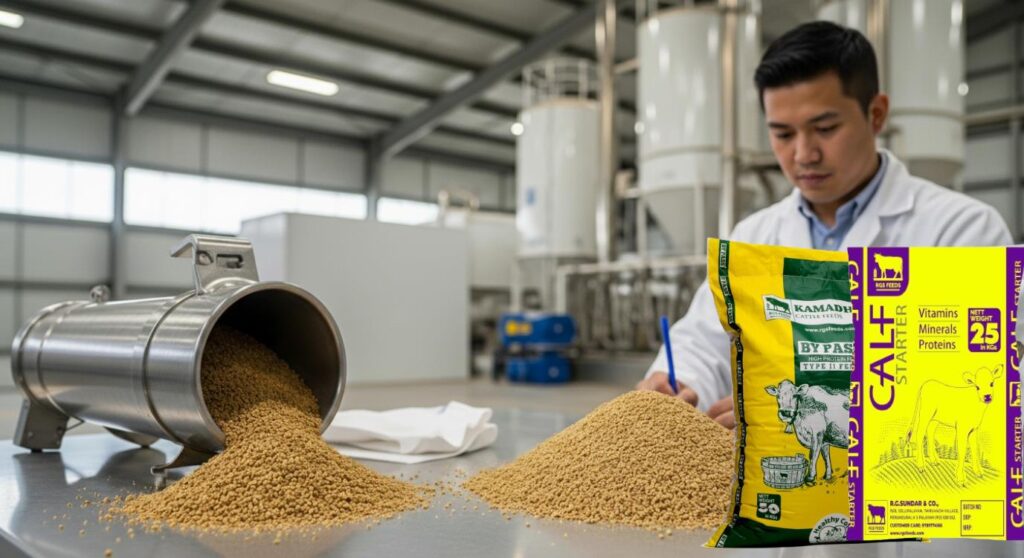
The perfect protein cattle feed combines several top-quality protein sources to provide balanced nutrition. Typical protein ingredients are oilseed cakes, plant-based protein meals, and precision-formulated compound feeds.
Commercial high-protein cattle feed from RGS Feeds provides consistent nutrient composition, excellent digestibility, and dependable performance. Well-balanced protein formulations help rumen health, increase nutrient absorption, and yield consistent results, which make them more productive than feeding programs based on a single ingredient.
High-Protein Cow Feed and Milk Production
Feeding dairy cows with high-protein feed for milk production can truly influence both the amount and the quality of milk. Sufficient protein consumption results in raised microbial protein production in the rumen, which consequently produces more milk and better milk components.
Many dairy farmers inquire if high-protein cow feed can really lead to an upsurge in milk production. The answer is yes, but only if the protein is well balanced with energy and minerals. RGS Feeds high-protein cattle feed helps to maximize milk output, and at the same time, the cost per litre of milk produced is reduced.
How to Choose the Right High-Protein Cattle Feed
Choosing high-protein cattle feed rightly is much more than just checking the protein percentages. Digestibility, ingredient quality, energy-protein balance, and feed safety are some of the foremost aspects that need to be considered. Through consistent sourcing and quality control, predictable results can be attained.
Overfeeding proteins can lead to a decrease in efficiency and an increase in costs, while underfeeding will seriously limit performance. RGS Feeds are highly concentrated on precision nutrition, providing perfectly balanced protein levels that support animal health as well as long-term profitability.
FAQs: Protein for Cattle Explained
1. How much protein do dairy cows need daily?
The requirement of protein varies according to the stage of lactation; during early and peak milk production, there is a higher demand.
2. Is high-protein feed suitable for all cattle?
Cattle of all ages can be given protein-rich feed; however, the protein content has to be adjusted in accordance with the age and production goals.
3. What happens if cattle don’t get enough protein?
Protein deficiency in cattle will lead to slow growth, less milk production, weak immune systems, and eventually lower farm profitability.
4. Why is protein important in cattle feed?
Protein plays a major role in the formation of muscles, the good working of the rumen, the immune system getting stronger, and the feed being turned into body mass more efficiently.
5. Does high-protein feed increase milk production?
Yes. Properly balanced high-protein feed for cows not only helps in stock milk yield but also improves milk quality.
Conclusion
Feeding your cattle with a high-protein diet is like investing in your herd’s performance, animal health, and your farm’s profitability. Protein goes a long way in meeting the nutritional requirements of cattle for growth, immune system, and dairy productivity. RGS Feeds offers a range of specially formulated products that will provide your cattle with the right proteins they need for stable and sustainable performance.
Switching to high-protein cattle feed from RGS Feeds helps you to effectively convert improved nutrition into enhanced productivity.
Pingback: vardenafil food influence
Pingback: vardenafil duration data
Finally found a site that doesn’t crash during peak hours. The graphics are crisp and the gameplay is addictive. You should give yono101game a try if you love online gaming.
I’ve been using this platform for a while now and the interface is super smooth. Definitely one of the best options available right now. Check out krbetwinnerapp for a great experience.
Pingback: approved sildenafil indications
Pingback: tadalafil versus sildenafil
The login process is quick and the site doesn’t lag even during peak hours. It is rare to find a place that balances security and speed so well. Glad I found stake88login