The Importance of Loose Minerals for Cattle:
Correct feeding is what makes a cattle herd healthy and productive. Many farmers concentrate on the cattle feed, fodder quality, and energy sources, but one essential thing is often forgotten—loose mineral supplements. Minerals have a major impact on the improvement of the immune system, reproduction, milk yield, and general body growth. If cattle are not given enough minerals through grazing or normal feed, their performance will be very low.
In the dairy and livestock industry is very competitive nowadays, farmers desire quick and obvious results—better milk production, faster weight gain, etc. This is the point where R.G.S Vet Nutraceuticals Coy loose minerals together with balanced cow feed and the proper cattle weight gain supplement have a great effect.
What Are Loose Minerals for Cattle?
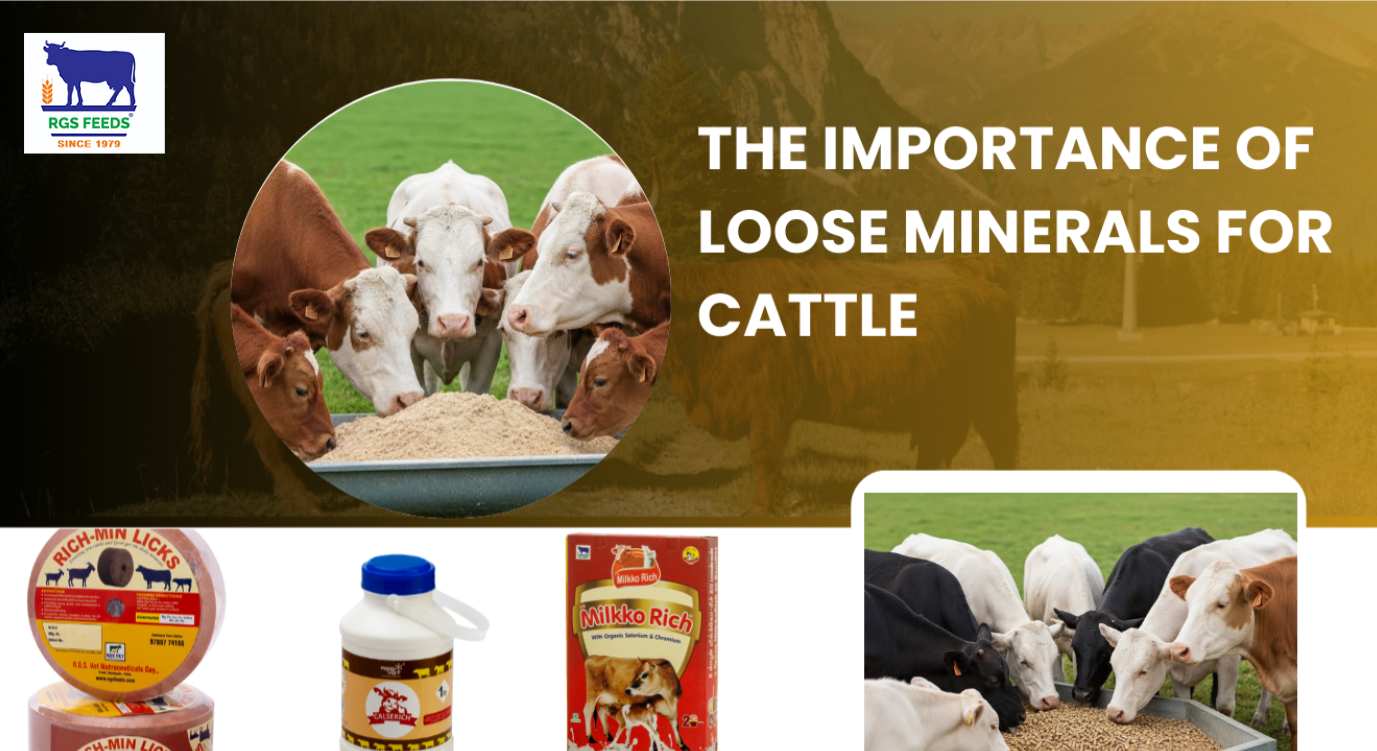
Loose minerals refer to free-flowing mineral blends that are made specifically to satisfy the nutritional requirements on a daily basis. Cows that are given mineral blocks to lick occasionally may not get the exact requirement of their bodies, but loose minerals make it possible for animals to have just what they need.
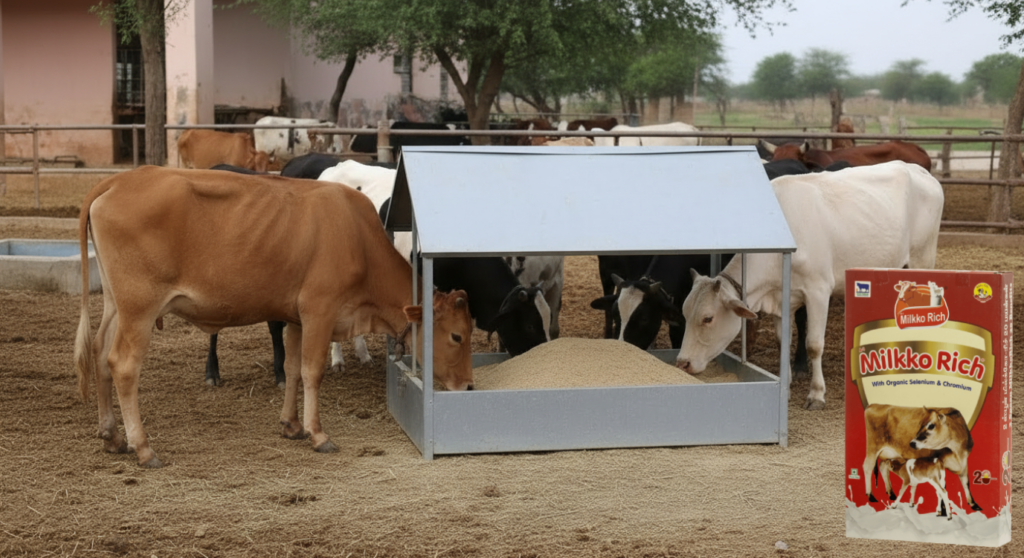
Difference of Loose Minerals From Other Mineral Sources
- Loose Minerals: Can be taken without difficulty, better absorption, regular consumption.
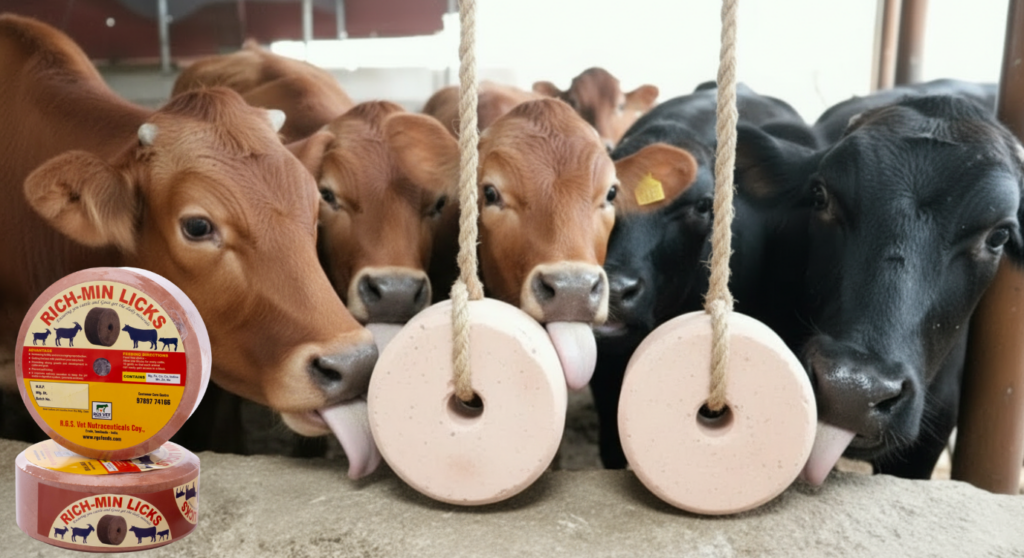
- Mineral Blocks: Difficult texture; animals usually lick less than the necessary amount.
- Premixes: Typically mixed in cattle feed; consumption can be different depending on feeding habits.
Farmers from all over India have made up their minds to use R.G.S Vet Nutraceuticals Coy loose minerals. The reason is that they bring about better milk performance and weight gain than mineral blocks.
Why Loose Minerals Matter: Key Benefits for Cattle Health
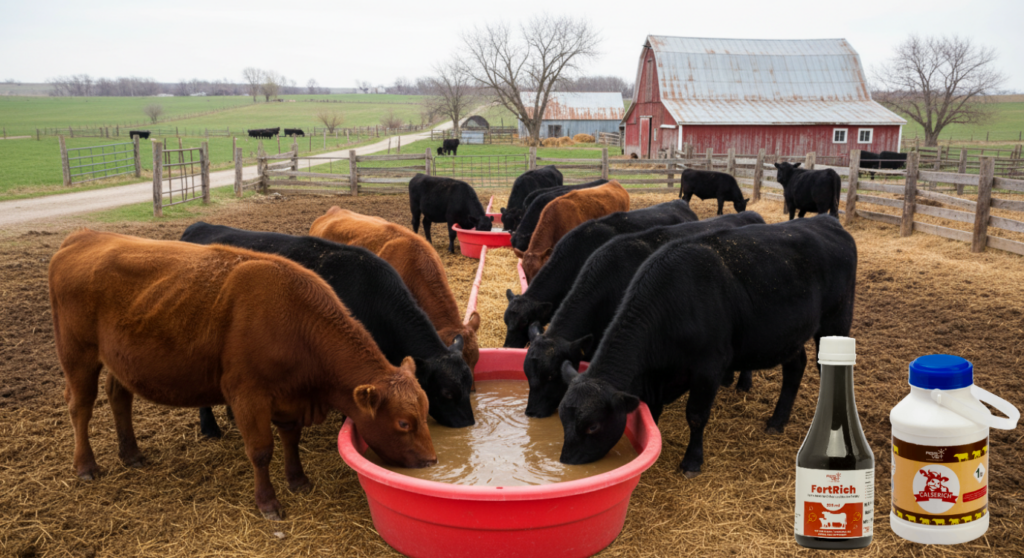
Cattle need to be supplied with a mix of macro minerals (like calcium, phosphorus, and magnesium) as well as trace minerals (like zinc, copper, and selenium) every day. These nutrients are the basis of:
- Strong Bone & Body Development
Calcium and phosphorus are the elements that strengthen bones, and thereby lameness and general weakness are less likely to be a result.
- Higher Milk Production
Minerals are the main agents that can perform a feed-to-milk conversion at a quicker rate, and in this way, the output will be higher.
- Better Reproductive Performance
Body minerals that are in harmony help achieve normal heat cycles, fertilization success, and progeny growth.
- Strong Immunity
Minerals like zinc and selenium fortify the immune system, and therefore an animal stays healthy most of the time, and fewer vet visits are required.
- Improved Weight Gain
Farmers who are on the lookout for the best cattle feed for top growth R.G.S Vet Nutraceuticals Coy are encouraged to supplement their feed rations with loose minerals, as this not only ensures good feed utilization but also doubles the growth rate of the animals.
After mixing R.G.S Vet Nutraceuticals Coy loose minerals with good quality cattle feed or offering them as a cattle liquid feed that helps digestion and nutrient absorption, the minerals can function synergistically to deliver higher livestock productivity.
Signs Your Cattle Require Mineral Supplementation
In case your cattle display the following symptoms, they probably have a lack of minerals in their diet:
- Reduced milk yield
- Rough coat or hair loss
- Weight loss or slow growth
- Frequent infections
- Infertility or delayed heat cycle
- Weak calves at birth
- Poor feed intake
Helping your cattle with a R.G.S Vet Nutraceuticals Coy mineral supplement early on keeps away permanent damage, and the health of your cattle is restored rapidly.
How Much Loose Mineral Should Your Cattle Consume?
Mineral needs of an animal change according to:
- Breed
- Age
- Pregnancy or lactation stage
- Feeding system
- Grazing quality
It is recommended that cattle have access to loose minerals on a daily basis. Place them in a dry, clean feeder and let the animals consume them at liberty. This way, each individual animal will take exactly the amount of minerals that it needs.
Effective Loose Mineral Providing Practical Tips
- To get the best results, minerals should be kept in a covered feeder so that they are protected from moisture.
- Place the feeder near the water or the main feeding area.
- Minerals should be resupplied every 2–3 days to keep them fresh.
- Do not mix salt if a nutritionist has not given you that recommendation.
- Use should be monitored— if it is too low, it shows that the location of the feeder needs to be changed.
Common Myths About Loose Minerals
Myth 1: Cows will eat minerals excessively.
Fact: Cows figure out the amount of minerals they need on their own, and they won’t overconsume unless they have been deficient for a very long time.
Myth 2: Just mineral blocks are enough.
Fact: Blocks are not a source of consistent intake. Loose minerals allow for better nutrient absorption.
Myth 3: Minerals are only necessary in the cold season.
Fact: Cows need minerals all year round for digestion, reproduction, and immune system support.
How to Select the Proper Mineral Mix for Your Herd
While purchasing mineral supplements, be sure the product:
- Has balanced macro and trace minerals
- Has high bioavailability
- Contains vitamins A, D, and E
- Has a season-specific formulation (summer/winter)
- Has vet recommendations or certifications
Moreover, you can give minerals along with liquid feed to cows to further facilitate nutrient absorption.
If better growth is your first concern, then a mineral mix that is specifically made to be used with the best feed for cattle weight gain would be your best choice.
Conclusion
Loose minerals should not be considered merely as an optional feed supplement—they are an absolute necessity if one wants to maintain the health, performance, reproduction, and growth of cattle. It doesn’t matter if your main goal is milk production or quicker body weight gain; the trio of good cattle feed, loose minerals, and the right R.G.S Vet Nutraceuticals Coy will bring outstanding results.
Making sure that R.G.S Vet Nutraceuticals Coy loose minerals are available to your cattle daily is probably the easiest and most effective way of increasing herd productivity and profitability.
If you don’t know which mineral formula would work best at your farm, a vet or an animal nutrition expert will give you the right guidance after assessing your situation.
Better Minerals. Better Milk. Better Profits.
Switch to RGS Feed Loose Minerals Today!
FAQs
Why are loose minerals better than mineral blocks?
Loose minerals provide better absorption and more consistent intake as opposed to mineral blocks, which animals lick irregularly.
Can loose minerals improve weight gain?
Definitely. Loose minerals, when used in combination with the best cattle feed for weight gain, will result in the increase of growth rate and feed efficiency.
How often should cattle be given minerals?
Cattle should be given minerals every day. Loose minerals should be kept available for free-choice.
Is mineral deficiency harmful for milk production?
Definitely. A shortage of minerals like calcium and zinc not only reduces the quantity of milk but also its quality.
Can I give loose minerals along with liquid feed for cattle?
Certainly. Liquid feed makes the digestive process faster and easier, and thus mineral absorption is even more efficient. .
The live dealer tables feel just like being in a real venue and the dealers are incredibly friendly. I really appreciate how transparent the odds are shown and how quickly they process cashouts. It is refreshing to find a site that puts fairness first and treats every regular player like family. e777gameonline
The graphics are amazing and the gameplay is very addictive. I spend a lot of my free time here and I’m always winning. Try mc888slot
Finally found a platform that doesn’t lag during big events. The betting odds are very competitive. Highly recommend br1para1bet to everyone.
Super smooth gameplay and the interface is very user friendly. I had a bit of a lucky streak yesterday and the withdrawal was processed almost instantly. Highly recommend pk777zc to anyone looking for a reliable platform.
Best place for those who love a good challenge. The community is great and the rewards are legit. I’m staying with vnxoxo88 for a long time.
Feeling like a real boss with the wins I’ve been getting here. The platform is secure and the gaming environment is just fantastic. Join the fun at jilibosslogin.